Geodesic dome roofs are becoming an increasingly popular solution for large-span storage, offering strength, durability, and energy efficiency. Their unique design provides a highly effective way to cover expansive areas without the need for internal supports, making them ideal for a wide range of industrial applications. In this comprehensive guide, we will explore the essential aspects of Geodesic Dome Roofs installation, including the installation process, expected timelines, best practices, and maintenance after installation.
1. Understanding Geodesic Dome Roofs
What is a Geodesic Dome Roof?
A Geodesic Dome Roof is a structural design based on geodesic geometry, where a network of triangles forms a dome. This geometric shape provides extraordinary structural integrity and strength, enabling the dome to cover large spans without relying on internal support structures. The design maximizes space efficiency and minimizes material usage, making it both a practical and cost-effective choice for many large-scale storage and shelter applications.
Key Features of Geodesic Dome Roofs:
Triangular Design: The interconnected triangles provide inherent strength and stability.
Lightweight Materials: Often made with materials such as aluminum or steel, which offer high strength-to-weight ratios.
No Internal Supports: The design allows for vast, unobstructed interior space, ideal for storage and industrial applications.
Core Benefits of Geodesic Dome Roofs
Maximized Structural Strength: The dome's shape distributes weight evenly across the structure, allowing for larger spans and minimal material usage.
Energy Efficiency: The shape also contributes to improved air circulation and natural ventilation, reducing the need for additional energy-consuming systems.
Durability and Longevity: Geodesic domes are designed to withstand harsh weather conditions, ensuring long-term performance with minimal maintenance.
Materials Used in Geodesic Dome Roofs
The materials chosen for Geodesic Dome Roofs play a crucial role in the roof’s durability, weight, and overall performance. The most common materials include:
Steel: Known for its strength and ability to withstand high loads, steel is often used for the frame of the dome.
Aluminum: Lightweight yet durable, aluminum is a popular choice for large-scale structures where reduced weight is important.
Glass and Polycarbonate Panels: For dome covering, transparent or semi-transparent materials such as polycarbonate panels are often used to allow natural light into the structure.
2. The Geodesic Dome Roof Installation Process
Site Preparation
Before installation begins, the site must be properly prepared. Proper site preparation is crucial to ensuring that the structure is stable and secure.
Steps in Site Preparation:
Ground Levelling: Ensure that the ground is flat and level, which is essential for a solid foundation.
Foundation Installation: Depending on the size of the dome, a concrete foundation or reinforced ground may be required to support the structure.
Utility Connections: If necessary, prepare for electrical, water, or HVAC systems that might need to be integrated into the structure.
Assembly of Prefabricated Components
One of the key advantages of Geodesic Dome Roofs is that many of the components can be prefabricated off-site. These prefabricated kits help speed up the installation process and maintain high quality control.
Steps in Prefabrication:
Frame Assembly: The components of the frame, including struts and hubs, are pre-manufactured and ready for quick assembly.
Pre-assembly Checks: Ensure that all components fit together correctly, reducing errors during the on-site assembly phase.
Frame and Dome Construction
Once the site is prepared, the assembly of the dome’s frame begins. This is the most critical phase of installation, as the frame provides the structural integrity of the entire dome.
Steps in Frame Construction:
Installing the Base Ring: The base ring is the foundation for the rest of the frame. It is secured to the prepared foundation.
Building the Dome Structure: The frame is built by connecting triangular components, forming the dome. The assembly of these components requires precision to ensure proper alignment and strength.
Securing the Dome: Once the dome structure is built, it is securely fastened using a combination of bolts and tensioning systems to maintain its shape.
Roofing and Sealing
After the frame is fully assembled, the next step is covering the dome with the appropriate roofing material. This can include polycarbonate panels, aluminum sheets, or other materials based on the specific needs of the facility.
Steps in Roofing and Sealing:
Attaching Roofing Panels: Roofing panels are installed to cover the dome. These materials are often lightweight and designed for easy attachment to the dome structure.
Sealing the Dome: Proper sealing is essential to ensure that the dome is weather-resistant. Special attention is given to joints and seams to prevent leaks and moisture damage.
Safety Considerations During Installation
During the installation process, safety is a paramount concern. Workers should follow all safety guidelines to prevent accidents and ensure the structural integrity of the dome.
Personal Protective Equipment (PPE): Ensure that workers wear appropriate PPE, including helmets, gloves, and harnesses.
Structural Stability: During assembly, it is critical to maintain the stability of the structure to avoid any shifting or collapse before the dome is fully secured.
3. Timelines for Geodesic Dome Roof Installation
The installation timeline for a Geodesic Dome Roof can vary depending on factors such as the size of the dome, the complexity of the project, and environmental conditions. Below is an overview of what to expect during the installation process.
Factors Affecting Installation Time
Several factors can influence how long the installation of a Geodesic Dome Roof will take:
Project Size: Larger domes with more complex structures will naturally take longer to install.
Weather Conditions: Harsh weather conditions may delay installation, especially if the site is exposed to high winds or heavy rain.
Crew Size: A larger, more experienced team can generally complete the installation faster.
Site Accessibility: If the site is difficult to access, additional time may be required for transportation of materials and equipment.
Typical Installation Timelines
Small Domes (Under 10 meters in diameter): Installation can take anywhere from 1-2 weeks, depending on site preparation and assembly complexity.
Medium Domes (10-25 meters in diameter): These domes typically take 3-5 weeks to complete, depending on the size and design specifications.
Large Domes (Over 25 meters in diameter): Large-scale domes may take 6-8 weeks or more, depending on the project's complexity and weather conditions.
Breakdown of Installation Phases and Duration
Phase | Time Estimate | Description |
Site Preparation | 1-2 weeks | Ground leveling, foundation installation, utility setup. |
Frame Assembly | 2-3 weeks | Constructing the frame and ensuring proper alignment. |
Roofing and Sealing | 1-2 weeks | Attaching roofing materials and sealing for weather resistance. |
Final Inspections | 1 week | Conducting safety checks and structural inspections. |
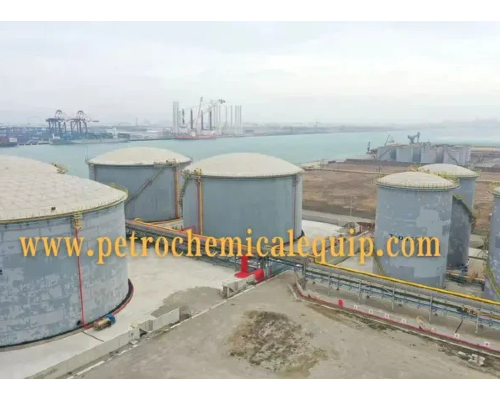
4. Best Practices for Geodesic Dome Roof Installation
Choosing the Right Installation Team
Selecting a professional team with experience in Geodesic Dome Roofs is crucial for a successful installation. The complexity of dome assembly requires precision and expertise to ensure the structure is both secure and aesthetically pleasing.
Precision in Measurements
Accurate measurements are essential to the successful installation of a Geodesic Dome Roof. Small errors in measurements can lead to structural imbalances and difficulties during assembly. Ensure that the dimensions of both the dome and its components are double-checked before beginning construction.
Using Quality Materials
The longevity of a Geodesic Dome Roof depends on the quality of materials used in its construction. High-quality steel or aluminum should be used for the frame, and the roofing materials should be selected based on climate conditions and energy efficiency requirements.
Adhering to Building Codes and Standards
It is essential to follow local building codes and regulations when installing a Geodesic Dome Roof. This ensures that the structure is not only safe but also legally compliant. Obtaining the necessary permits before starting construction is a critical step in the process.
Sealing and Insulating the Dome
Proper sealing and insulation are key to making the dome energy-efficient. Sealing joints and seams prevents water ingress, while insulation reduces heating and cooling costs. Ensure that all gaps are sealed properly to improve the dome’s thermal efficiency.
Post-Installation Inspection
After installation, it’s important to carry out a thorough inspection. This includes checking the stability of the frame, the condition of the roofing, and ensuring that there are no leaks or structural issues.
5. Maintenance After Installation
Routine Inspections
To ensure the longevity of a Geodesic Dome Roof, regular inspections should be scheduled. These inspections should focus on checking for any wear or damage to the roofing, frame, and seals.
Cleaning and Upkeep
Cleaning the Geodesic Dome Roof is essential for maintaining its appearance and performance. Remove debris from the roof surface and inspect for any damage that may have occurred during the cleaning process.
Handling Repairs
If any issues are identified during the inspection, they should be addressed promptly. Minor repairs can often be handled in-house, but more significant issues may require the expertise of professionals.
6. Conclusion
Installing a Geodesic Dome Roof offers an ideal solution for creating durable, energy-efficient, and spacious storage structures for large-span applications. By fully understanding the installation process, timelines, and best practices, businesses can ensure their domes are constructed safely and efficiently, optimizing long-term storage capacities. Whether for a small storage facility or a large-scale industrial complex, adhering to the right installation procedures will guarantee a successful project.
At Lianyungang Bona Bangwei Petrochemical Equipment Co., Ltd., we specialize in providing top-quality Geodesic Dome Roofs designed to meet the specific needs of various industries, including petrochemical, agricultural, and industrial sectors. Our expert team ensures that every installation follows the highest standards of quality and safety, delivering a structure built to last.
If you are considering a Geodesic Dome Roof for your storage solutions, we invite you to contact us. Our team is ready to discuss your project requirements, offer tailored solutions, and assist you in optimizing your storage facilities for maximum efficiency. Let us help you turn your storage vision into a reality.
7. FAQ
How long does it take to install a Geodesic Dome Roof?
The installation time for a Geodesic Dome Roof depends on factors such as size and site conditions. Small domes may take 1-2 weeks, while larger ones can take 6-8 weeks or more.
Can I install a Geodesic Dome Roof myself, or do I need professionals?
Given the complexity of the installation, it is recommended to hire professional contractors who specialize in Geodesic Dome Roofs to ensure the structure is built correctly and safely.
What materials are best for constructing a Geodesic Dome Roof?
The best materials for Geodesic Dome Roofs include steel or aluminum for the frame, and polycarbonate or aluminum panels for roofing, depending on climate and energy requirements.
Are there any permits required for installing a Geodesic Dome Roof?
Yes, local building codes and regulations may require permits for installation. It is important to check with local authorities before beginning construction.
How can I ensure my Geodesic Dome Roof remains in good condition after installation?
Regular inspections, cleaning, and timely repairs are essential to maintaining a Geodesic Dome Roof. Proper sealing and insulation also help extend the life of the structure.


