In today’s world, sustainability has become a crucial factor in architectural design, particularly as we strive to reduce our environmental impact and adapt to changing climate conditions. Geodesic Domes, with their efficient design and energy-saving capabilities, represent one of the most sustainable building solutions available. These structures are not only eco-friendly but also offer a cost-effective way to improve energy efficiency while significantly reducing carbon footprints. In this article, we’ll explore how Geodesic Domes contribute to sustainable architecture by enhancing energy efficiency, reducing carbon footprints, and playing a key role in creating sustainable communities.
1. What Are Geodesic Domes?
Definition and Design
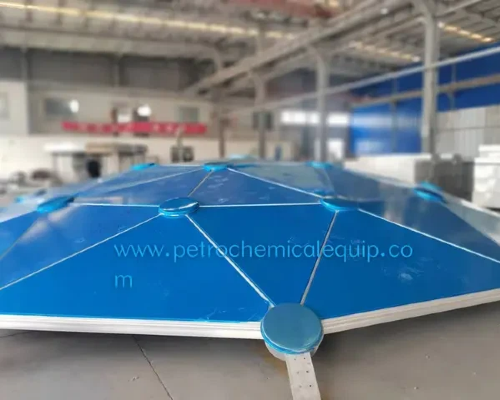
A Geodesic Dome is a spherical or partially spherical structure composed of interconnected triangles. This unique geometric design enables the dome to evenly distribute weight across the entire structure, making it extremely strong and stable. The shape itself is optimized for efficiency, both in terms of material usage and energy performance.
The dome’s structure is created using a series of triangles arranged to form a hemispherical shape. These triangles are inherently rigid, meaning that the overall structure can support large loads without needing additional internal support structures such as beams or columns. This design not only makes Geodesic Domes incredibly strong but also efficient in terms of space utilization.
Core Features of Geodesic Domes
Minimal Material Use: Unlike traditional buildings, which often require large quantities of materials for structural support, Geodesic Domes are highly efficient in their use of materials. The design maximizes strength while minimizing the need for excess materials.
Energy-Efficient Shape: The spherical design of Geodesic Domes helps distribute natural forces, such as wind and snow, more evenly, making them more resilient to environmental stresses. This reduces the need for heavy, energy-consuming structural reinforcements.
Natural Ventilation: The shape of the dome also encourages natural airflow, which can significantly reduce the need for mechanical heating, ventilation, and air conditioning (HVAC) systems.
Benefits of Geodesic Geometry
Strength and Stability: The triangular elements of a Geodesic Dome provide exceptional strength while utilizing minimal material, making the structure both stable and efficient.
Efficient Use of Space: The absence of internal support columns provides more usable floor space, making the interior of the dome versatile and adaptable for a variety of purposes.
Wind Resistance: The shape of Geodesic Domes allows them to handle high wind loads effectively, providing long-term stability in harsh weather conditions.
2. Energy Efficiency in Geodesic Domes
Optimized Insulation
One of the most notable features of Geodesic Domes is their ability to naturally regulate temperature. The dome’s spherical shape creates a highly efficient insulation system. The reduced surface area compared to traditional buildings means less heat is lost in colder months, and less heat is gained in hotter months. This efficiency reduces the need for artificial heating or cooling, which in turn lowers energy consumption.
Energy Loss Minimization: The compact structure minimizes the surface area exposed to external temperatures, reducing the amount of heat transferred through walls and windows.
Increased Heat Retention: The dome’s shape ensures that heat generated inside the structure is distributed evenly, reducing the need for supplemental heating systems.
Thermal Performance
Geodesic Domes excel in thermal performance due to their design and materials. By reducing heat loss during winter and preventing heat buildup in summer, these domes keep the interior temperature stable throughout the year. This results in a significant reduction in energy consumption, making Geodesic Domes ideal for energy-conscious homeowners and businesses.
Less Heat Loss in Winter: During colder months, the dome's structure retains heat more effectively, keeping interiors warmer with minimal energy input.
Cooler Interiors in Summer: The same properties that help retain heat in winter also reduce the amount of heat that enters the dome during the summer months, helping maintain comfortable temperatures without relying on air conditioning.
Natural Ventilation
The design of Geodesic Domes encourages natural airflow, which can help cool the structure without the need for mechanical ventilation systems. The curvature of the dome allows air to circulate naturally, and the absence of internal support beams means that there are fewer obstacles to the flow of air within the space.
Feature |
Impact on Energy Efficiency |
Spherical Design |
Reduces heat loss and gains by minimizing surface area. |
Natural Airflow |
Reduces the need for mechanical ventilation. |
Compact Structure |
Minimizes the energy required for heating and cooling. |
The combination of these factors makes Geodesic Domes naturally energy-efficient, reducing the need for costly and energy-draining mechanical systems.
3. How Geodesic Domes Reduce Carbon Footprints
Efficient Material Use
One of the key ways Geodesic Domes contribute to sustainability is through the efficient use of materials. Traditional buildings require a significant amount of raw materials for structural components such as beams, columns, and foundation supports. In contrast, the design of Geodesic Domes allows for the use of fewer materials while maintaining structural integrity.
Reduced Material Consumption: Because of their efficient design, Geodesic Domes use fewer resources to construct, which helps reduce the carbon footprint associated with building materials.
Sustainability of Materials: The materials used in Geodesic Domes, such as steel, aluminum, and wood, can often be sourced sustainably, further reducing the environmental impact of construction.
Sustainable Materials
Many Geodesic Domes are built using renewable or low-carbon materials, such as reclaimed wood, recycled steel, and sustainable insulation products. These materials not only have a lower environmental impact compared to conventional building materials but also help reduce waste.
Recycled Materials: The use of recycled steel and other materials in the construction of Geodesic Domes helps reduce the need for virgin resources and lowers the environmental impact.
Eco-Friendly Insulation: Natural insulation materials such as cellulose or hemp are often used in Geodesic Domes, offering better thermal performance and a reduced carbon footprint.
Lower Energy Consumption
Because Geodesic Domes are naturally more energy-efficient than traditional buildings, they require less energy for heating, cooling, and lighting. This reduction in energy use directly translates into a reduction in the building’s overall carbon footprint.
Decreased Heating and Cooling Needs: The ability of Geodesic Domes to retain heat in the winter and stay cool in the summer reduces the demand for heating and air conditioning, which are major contributors to energy consumption and carbon emissions.
Improved Light Efficiency: The spherical design also allows for more natural light to enter the space, reducing the need for artificial lighting during the day.
4. Geodesic Domes and the Circular Economy
Reusability and Sustainability
Geodesic Domes promote sustainability not only during their construction but also throughout their lifecycle. The materials used in Geodesic Dome construction can often be reused or repurposed, supporting the principles of the circular economy.
Easily Disassembled: Geodesic Domes are designed to be easily disassembled, which means that the materials can be reused in future projects, reducing waste and encouraging the recycling of building materials.
Long Lifespan: With proper maintenance, Geodesic Domes can last for decades, reducing the need for frequent repairs or demolition. This extended lifespan further reduces their environmental impact.
Reduction of Waste
The efficient use of materials and the potential for reuse means that Geodesic Domes create less construction waste compared to traditional buildings. Furthermore, their modular nature allows for easy adaptation, reducing the need for demolitions and new construction projects.
Feature |
Sustainability Impact |
Modular Design |
Allows for easy reuse and repurposing of materials. |
Durable Construction |
Extends the lifespan of the structure, reducing waste. |
Efficient Material Use |
Reduces the amount of raw materials needed for construction. |
This reduced waste and reusability make Geodesic Domes a sustainable and circular option for building design.
5. The Role of Geodesic Domes in Sustainable Communities
Community Impact
Geodesic Domes are not just energy-efficient and environmentally friendly on an individual level but also play a key role in building sustainable communities. Their unique characteristics make them ideal for use in eco-villages, off-grid homes, and sustainable community designs.
Energy Independence: Many Geodesic Domes are designed to be energy-efficient and off-grid, using renewable energy sources like solar panels and wind turbines to power the homes or community facilities.
Sustainable Living: The energy efficiency of Geodesic Domes contributes to the overall sustainability of a community by reducing reliance on fossil fuels and minimizing overall carbon emissions.
Resilience to Climate Change
The inherent strength and flexibility of Geodesic Domes make them ideal for use in regions that are susceptible to extreme weather conditions such as hurricanes, heavy snow, or high winds. Their ability to withstand harsh weather events contributes to the resilience of sustainable communities.
Weather Resistance: The geodesic design allows these domes to handle extreme weather conditions, providing protection for residents while minimizing the environmental impact.
6. Future of Geodesic Domes in Sustainable Architecture
Innovations in Materials and Design
As interest in sustainability continues to grow, innovations in Geodesic Dome materials and design are also evolving. New materials such as graphene and advanced insulation technologies promise to make Geodesic Domes even more energy-efficient and eco-friendly in the future.
Advanced Insulation: New eco-friendly insulation materials will continue to improve the thermal performance of Geodesic Domes, making them even more energy-efficient.
Green Building Materials: The use of green materials, including sustainable composites and bio-based products, will further reduce the carbon footprint of Geodesic Domes.
Integration with Smart Technologies
The future of Geodesic Domes in sustainable architecture will likely see greater integration with smart technologies. Automated energy systems, smart lighting, and climate control systems can be integrated into the design to optimize energy use and further reduce the environmental impact of Geodesic Domes.
7. Conclusion
Geodesic Domes offer a forward-thinking solution for sustainable architecture, combining energy efficiency, minimal material usage, and a reduced carbon footprint. These unique structures are a powerful tool in the battle against climate change, enabling the creation of resilient, energy-efficient, and sustainable communities. Their design not only supports a smaller environmental impact but also promotes long-term sustainability in construction.
At Lianyungang Bona Bangwei Petrochemical Equipment Co., Ltd., we specialize in the design, manufacture, and installation of Geodesic Domes tailored for various industrial and commercial applications. Our expertise ensures that each dome is built with the highest standards of quality and sustainability in mind, helping you achieve energy efficiency while reducing overall environmental impact.
If you're looking to implement a Geodesic Dome in your next project, we invite you to contact us. Our team can provide you with detailed information, custom solutions, and professional guidance to ensure your dome is optimized for both performance and sustainability. Let us help you take the first step toward building a greener, more efficient future.
8. FAQ
What is a Geodesic Dome and how does it improve energy efficiency?
A Geodesic Dome is a spherical structure made from interconnected triangles. Its design naturally minimizes heat loss in the winter and heat gain in the summer, improving energy efficiency.
How do Geodesic Domes reduce carbon footprints?
The efficient use of materials, combined with reduced energy consumption and the use of sustainable building materials, significantly reduces the carbon footprint of Geodesic Domes.
Are Geodesic Domes energy-efficient year-round?
Yes, Geodesic Domes are effective in both winter and summer. Their compact shape helps retain heat in winter and stay cool in summer, reducing the need for artificial heating and cooling.
Can Geodesic Domes be integrated with renewable energy systems?
Yes, Geodesic Domes can be designed to be off-grid and energy-independent, integrating solar panels, wind turbines, and other renewable energy systems.
How sustainable are the materials used in Geodesic Dome construction?
Materials used in Geodesic Domes are often sustainable and can include recycled steel, eco-friendly insulation, and reclaimed wood, further enhancing the sustainability of the structure.


