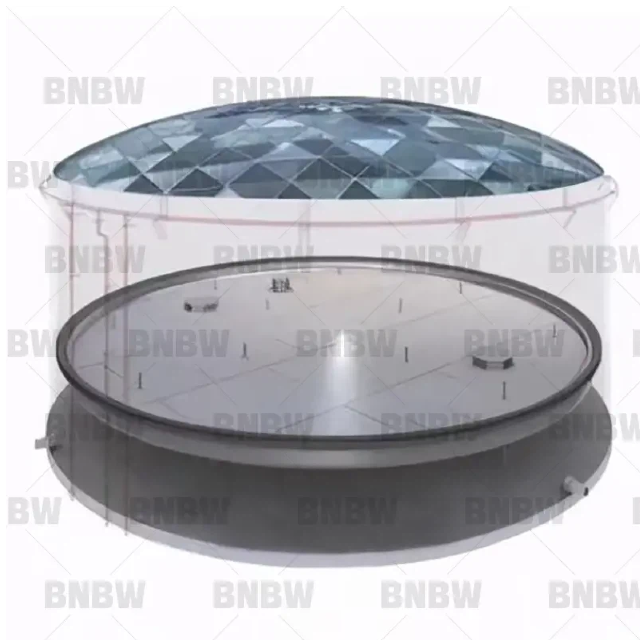
When designing and selecting the right Internal Floating Roof (IFR) for storage tanks, it’s important to understand the core engineering principles that drive their functionality. The Internal Floating Roof plays a vital role in the petrochemical industry by reducing evaporative losses and preventing hazardous emissions. As a leading manufacturer in the field, Lianyungang Bona Bangwei Petrochemical Equipment Co., Ltd. (BNBW) specializes in providing high-quality, customizable IFR solutions designed to meet the needs of various industries. This engineering guide explores the essential principles of IFR design, critical considerations, and selection criteria, helping you make an informed decision that aligns with your storage tank requirements.
What Engineering Principles Guide IFR Design?
Designing an Internal Floating Roof involves considering several engineering principles to ensure its performance, durability, and safety. Here are the primary factors that guide IFR design:
1. Buoyancy and Structural Stability
The first and most important principle in IFR design is ensuring that the roof can float and stay stable on the liquid surface. Buoyancy is achieved through the use of pontoons or rigid materials that ensure the roof can move with liquid fluctuations while maintaining a tight seal between the tank and its contents. The structure needs to be robust enough to withstand external forces such as wind and seismic activity, ensuring safety and stability over time.
2. Sealing Systems and Vapor Control
Effective sealing is another core principle in IFR design. The seal prevents vapor emissions from escaping into the atmosphere, which is vital for meeting environmental regulations and ensuring the safety of stored products. Sealing systems can include primary seals, secondary seals, and rim seals, depending on the design. Proper vapor control systems also help in minimizing volatile organic compound (VOC) emissions, contributing to both environmental protection and operational cost savings.
3. Material Choices and Corrosion Prevention
Given the harsh environment in which Internal Floating Roofs operate, material selection plays a critical role in their longevity and effectiveness. Materials like aluminum and stainless steel are commonly used because of their resistance to corrosion. Tanks often store volatile liquids that can lead to the deterioration of roof materials over time. Using corrosion-resistant materials ensures that the Internal Floating Roof can perform for extended periods, even in the most demanding conditions.
Critical Design Considerations
The design of an Internal Floating Roof must account for a range of factors that can impact its efficiency and longevity. These include the size and properties of the tank, the method of support, and the seal types used. Here are the most critical design considerations:
1. Tank Diameter and Liquid Properties
The size of the tank and the properties of the liquid stored within it are crucial when designing an Internal Floating Roof. Larger tanks may require more robust support systems, and different liquid properties such as vapor pressure and viscosity affect the type of roof structure needed. For example, highly volatile liquids may require an improved seal design to mitigate vapor loss effectively.
2. Support Legs vs. Cable Suspension
There are two main methods for supporting Internal Floating Roofs: support legs and cable suspension. Support legs are commonly used for smaller tanks, offering a stable foundation for the roof. Cable suspension, on the other hand, is often used for larger tanks or when a greater degree of flexibility is needed. Each method has its advantages depending on the tank's size, and it's essential to choose the right support method based on operational needs.
3. Seal Types
The choice of seal type is critical in reducing vapor emissions and ensuring that the Internal Floating Roof functions efficiently. The primary seal, often referred to as a shoe seal, ensures the roof maintains its seal against the tank wall. A rim seal helps prevent vapor escape around the perimeter, and a secondary seal acts as a backup to maintain tightness in case the primary seal fails. Choosing the right seal combination based on tank requirements is an essential consideration.
4. Load and Fatigue Design
Considering the load capacity and fatigue design is vital for ensuring the structural integrity of the Internal Floating Roof. Over time, the roof is subjected to various stresses, including the movement of the stored liquid and external environmental forces. Ensuring the roof can handle these loads without degrading or compromising its ability to maintain a secure seal is paramount to its success.
Selection Criteria for Your Application
When selecting an Internal Floating Roof for your storage tank, several factors should be taken into account. These criteria ensure that the chosen IFR design aligns with both the operational needs and regulatory requirements.
1. Product Volatility and Vapor Pressure
The volatility of the product being stored determines the level of vapor suppression needed from the Internal Floating Roof. Highly volatile liquids, such as crude oil, require Full Contact IFRs to provide maximum vapor containment, while less volatile liquids may be suitable for Pontoon IFRs, which are less complex and more cost-effective.
2. Environmental Regulation Compliance
The environmental regulations governing vapor emissions and air quality standards should be a significant factor when selecting an Internal Floating Roof. Areas with stringent emission control laws will require roofs that provide superior vapor suppression and tighter seals to reduce the risk of environmental contamination.
3. Operational Maintenance Needs
The maintenance requirements of the Internal Floating Roof should also be factored into the selection process. Depending on the design, Pontoon IFRs may require less maintenance due to their simpler structure, while Full Contact IFRs may need more frequent inspections and upkeep due to their more intricate design.
Design Comparison Table
To assist with your decision-making, here's a comparison of key design factors that impact both tank safety and emission reduction:
Table: Design Consideration Comparison
Design Factor | Impact on Tank Safety | Impact on Emission Reduction |
Material (Aluminum vs. SS) | Corrosion resistance | VOC containment |
Support Method | Stability | Ease of maintenance |
Seal Type | Leakage control | Emissions performance |
How PetrochemicalEquip IFR Meets Engineering Needs
At BNBW, we specialize in customizing Internal Floating Roof solutions to meet your tank’s specific needs. Our engineering expertise allows us to provide designs that account for the size of the tank, the type of liquid being stored, and the necessary vapor control requirements. Whether you need pontoon-based designs or full contact solutions, our team ensures that your Internal Floating Roof is tailored to meet the highest standards of quality and compliance.
Material and Seal Options
We offer a range of materials, including aluminum and stainless steel, along with multiple seal configurations to ensure the optimal performance of your Internal Floating Roof. Our comprehensive range of seals and support systems ensures that your tank remains safe, stable, and compliant with environmental regulations.
Engineering & Quality Control Emphasis
Our engineering team focuses on quality control at every stage of the design, manufacturing, and installation process. We ensure that your Internal Floating Roof operates at maximum efficiency, minimizing the risk of vapor emissions and reducing operational costs over time.
Conclusion
Choosing the right Internal Floating Roof for your storage tank is essential for maximizing safety, vapor suppression, and compliance with regulations. Whether you opt for a pontoon or full contact design, it’s important to consider factors such as tank size, liquid volatility, and the required emission control standards. At BNBW, we provide customizable Internal Floating Roof solutions that meet the unique needs of each tank system, ensuring long-term reliability and performance. For more information, please contact us to discuss your specific requirements and get a tailored solution.
FAQ
1. What factors should I consider when choosing an Internal Floating Roof?
When choosing an Internal Floating Roof, consider factors like the volatility of the stored liquid, emission regulations, tank size, and the type of support system needed.
2. How does the material selection impact the performance of the IFR?
Material selection, such as aluminum or stainless steel, is crucial for ensuring the durability, corrosion resistance, and effectiveness of the Internal Floating Roof over time.
3. What are the benefits of choosing a Full Contact IFR over a Pontoon IFR?
A Full Contact IFR offers superior vapor suppression and is ideal for high-risk liquids, while the Pontoon IFR is more cost-effective for general storage tanks with moderate emission control needs.
4. How does a proper sealing system contribute to IFR performance?
A proper sealing system ensures that the Internal Floating Roof maintains a tight seal, reducing vapor emissions and ensuring compliance with environmental standards.


