In industries where volatile liquids like crude oil, chemicals, and petroleum products are stored, the Internal Floating Roof (IFR) plays a crucial role in ensuring product safety and regulatory compliance. The Aluminum Internal Floating Roof, specifically, offers a lightweight, corrosion-resistant solution designed to reduce evaporative loss and emissions control. However, just like any other critical infrastructure, an Aluminum IFR requires regular maintenance to ensure it continues to perform optimally. At Lianyungang Bona Bangwei Petrochemical Equipment Co., Ltd. (BNBW), we specialize in providing high-quality Internal Floating Roofs that offer long-term benefits. This article will cover five essential maintenance tips to extend the lifespan of your Aluminum Internal Floating Roof and ensure that it performs efficiently while reducing vapor emissions and product loss.
Why Maintenance Matters for IFR Longevity
Proper maintenance is essential to ensure that an Internal Floating Roof (IFR) continues to operate as designed. If neglected, an IFR can suffer from performance issues that could result in vapor emissions, product loss, and even structural damage. The Aluminum Internal Floating Roof is a significant investment, and its longevity and reliability depend largely on regular upkeep.
Protecting Investment
The Internal Floating Roof is not just a storage component; it's an investment in the safety and efficiency of your storage system. Keeping it in optimal condition can protect your financial investment by extending its operational life and improving return on investment (ROI).
As petrochemical companies and oil refineries rely on these roofs to safely store volatile liquids, the efficiency and reliability of these roofs are directly tied to operational success. A roof that is not well-maintained may require premature replacement or costly repairs. Proactive maintenance helps mitigate these risks and ensures your investment is safeguarded.
Reducing Downtime and Safety Risks
Without proper maintenance, the Internal Floating Roof can become susceptible to mechanical failures, leaks, and safety hazards. Regular inspections ensure that small issues are caught before they escalate into more significant problems, leading to costly downtime. The safety of your employees and the environment is also at risk if an IFR is not properly maintained. Ensuring that the seal system is intact, the drainage is functioning properly, and the structure is free from corrosion or fatigue can prevent hazardous incidents.
Tip 1 – Regular Seal Inspection
Seals are the most critical element in preventing vapor emissions and ensuring the effectiveness of your Aluminum Internal Floating Roof. Seals help maintain the roof’s contact with the tank, preventing air exposure and vapor leakage. When these seals wear out, they compromise the roof’s ability to contain the vapors, leading to potential product loss and environmental harm.
Types of Seals and Wear Indicators
The most commonly used types of seals include:
Shoe seals: These seals provide a tight seal between the roof and the tank, minimizing the chance for vapors to escape.
Rim seals: These seals close the perimeter of the roof, ensuring no vapor escapes through the edges.
Secondary seals: Backup seals that provide additional protection in case the primary seals fail.
Regularly inspect these seals for wear indicators such as cracks, tears, or irregularities in the rubber or metal components. Seals can degrade over time due to environmental exposure, mechanical stress, or chemical interaction with the stored liquid.
When to Replace Seals
Seals should be replaced when they show significant signs of damage. For instance, if cracks are visible or if the seal is no longer in contact with the tank wall, it’s time to replace the seals. Regular inspections should be scheduled monthly to detect any potential issues early. By replacing worn seals before they fail, you can prevent costly repairs and unnecessary product loss.
Tip 2 – Check Buoyancy and Drainage Systems
The buoyancy of an Internal Floating Roof is essential for keeping the roof in place and ensuring it performs as expected. Over time, issues with buoyancy or water accumulation can lead to operational inefficiencies.
Preventing Water Buildup
Water accumulation on the roof can result from rainwater, condensation, or water leakage from the tank. If left unchecked, this water buildup can compromise the roof’s buoyancy, leading to structural issues and potential seal failure. To prevent water buildup, ensure that the drainage system is functioning correctly and that water is directed away from the roof.
Ensuring Proper Float Levels
Float levels refer to the roof's ability to remain at the correct height above the liquid. A properly floating roof maintains a tight seal, ensuring minimal vapor emissions. Regular checks should be made to confirm that the roof is floating properly, and any signs of sinking or instability should be addressed immediately.
By ensuring that your Internal Floating Roof is properly buoyant and that water buildup is minimized, you can prolong its service life and maintain optimal performance.
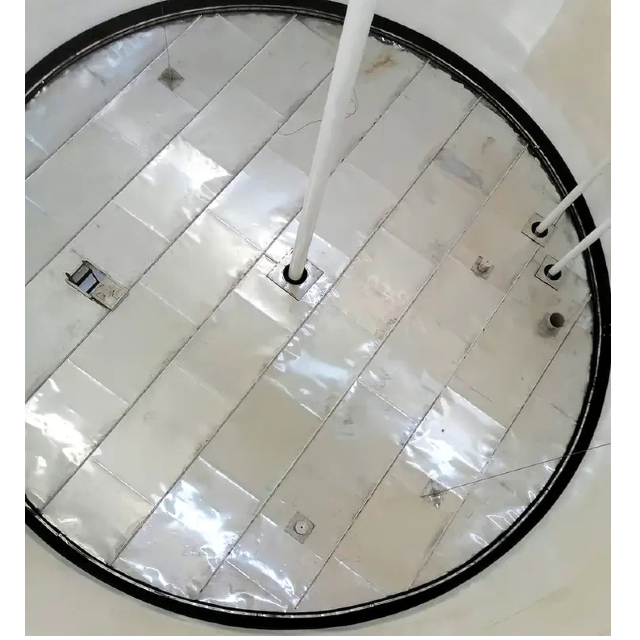
Tip 3 – Structural Integrity and Corrosion Control
Over time, exposure to the elements and chemicals in the stored liquids can lead to corrosion and wear on the structural components of the Aluminum Internal Floating Roof. Corrosion can weaken the roof and lead to structural failure if left untreated.
Aluminum Antifouling and Protective Coatings
One of the most effective ways to prevent corrosion is to apply antifouling and protective coatings to the aluminum structure. These coatings help prevent corrosion caused by exposure to water, chemicals, and other environmental factors. By applying these coatings regularly, you can extend the life of your IFR and avoid unnecessary repairs or replacements.
Inspection Schedule
You should inspect the aluminum panels, support structures, and other key components for signs of corrosion or deterioration. A thorough inspection should be conducted biannually, with special attention to the metallic parts that are most susceptible to corrosion. Any corrosion or damage should be repaired promptly to avoid further deterioration.
Tip 4 – Safety Checks and Access
Regular safety checks are critical for the safe operation of an Aluminum Internal Floating Roof. Ensuring that the roof is easily accessible and that all inspection procedures are performed with proper safety protocols is essential for maintaining a safe work environment.
Safe Inspection Practice
It is crucial to follow safe work practices when inspecting or maintaining an Internal Floating Roof. Personnel should always wear appropriate PPE (personal protective equipment) and be trained in safe working procedures. Ensure that proper fall protection systems are in place when accessing the roof, especially in elevated storage tanks.
Ladder and Access Hatch Checks
Ladders and access hatches should be inspected regularly to ensure that they are in good condition. Any damage to the ladder or access hatch could make it dangerous for personnel to access the roof. Regular checks ensure that all components are secure and free of defects.
Maintenance Checklist Table
Here’s a useful maintenance checklist to guide your routine inspections of the Aluminum Internal Floating Roof:
Table: IFR Maintenance Checklist
Task | Frequency | Key Indicators |
Seal inspection | Monthly | Leakage, wear |
Drain system check | Quarterly | Functional, clog-free |
Structural integrity inspection | Biannually | Corrosion, deformation |
Buoyancy test | Annually | Float level and response |
Conclusion
Routine maintenance of your Aluminum Internal Floating Roof ensures that it continues to function optimally, reducing downtime and preventing vapor emissions. Regular checks of seals, buoyancy, structural integrity, and safety will prolong the roof's lifetime and help ensure that your storage tanks operate efficiently. By following the critical maintenance tips outlined in this article, you can save on repair costs, maintain regulatory compliance, and prevent product loss.
At BNBW, we provide top-tier Internal Floating Roofs and comprehensive support services to ensure the long-term success of your storage systems. Contact us today for a tailored solution that meets your specific tank requirements and ensures the efficiency and safety of your storage tanks.
FAQ
1. How often should I inspect my Aluminum Internal Floating Roof?
You should inspect your Aluminum Internal Floating Roof regularly—monthly for seal inspections, quarterly for drain systems, and biannually for structural integrity.
2. Why is seal inspection so important for IFR maintenance?
Seals are essential for preventing vapor emissions and product loss. Regular inspections help ensure that seals remain in good condition and prevent leakage.
3. What are the most common causes of corrosion on an IFR?
Exposure to harsh chemicals, water, and environmental elements can cause corrosion on an Aluminum Internal Floating Roof. Applying protective coatings helps prevent this.
4. How does maintaining buoyancy affect the performance of an IFR?
Maintaining proper buoyancy ensures that the Internal Floating Roof floats securely on the liquid, which is crucial for creating an effective seal and reducing evaporative loss.


