Introduction
Reliable fire water storage is essential for effective fire protection. Glass Fused To Steel (GFS) Tanks offer a durable and corrosion-resistant solution, ensuring long-term water storage for fire suppression systems.
This guide will explore how GFS tanks work, the benefits they offer, and how to select the best tank for your fire safety needs. You’ll also learn about their design, installation, and maintenance to make informed decisions for your facility’s protection.
What Are Fire Water GFS Tanks?
Definition of Fire Water GFS Tanks
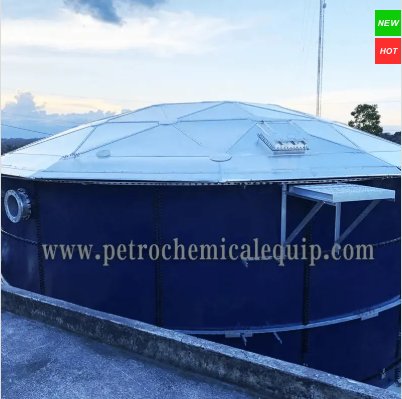
Fire Water GFS Tanks are specially designed storage systems for holding water intended for fire protection. The structure consists of Glass Fused to Steel panels that are coated with glass for corrosion resistance, and assembled on-site using bolted connections. This unique design combines the durability of steel with the chemical resistance of glass, making GFS tanks ideal for long-term storage in harsh environments.
How Glass Fused To Steel Technology Works
The process of Glass Fused to Steel (GFS) involves fusing a glass coating to steel sheets at high temperatures. This provides a durable, corrosion-resistant surface that protects the steel from the elements and contaminants, ensuring that the tank maintains its integrity for many years. The technology prevents rust, wear, and chemical damage, which is crucial for fire water storage, where long-term, reliable performance is required.
Key Benefits of Glass Fused To Steel Tanks
1. Corrosion Resistance: The glass coating ensures that the tank is resistant to corrosion, even in harsh weather conditions.
2. Long Lifespan: GFS tanks are designed to last for decades, providing reliable fire water storage.
3. Reduced Maintenance: Unlike other tank types that require frequent repairs and coatings, GFS tanks have low maintenance needs.
4. Modular Design: The panels are bolted together on-site, which simplifies installation and allows for easy expansion if needed.
Why Choose Glass Fused To Steel Tanks for Fire Water Storage?
Durability Under Extreme Conditions
Fire water storage tanks are exposed to harsh environmental conditions and long periods of dormancy. The ability of a tank to endure these challenges is critical for its performance during emergencies. Glass Fused To Steel (GFS) Tanks excel in this regard due to their robust construction and glass coating. The glass fusion process creates a protective layer on the steel, which resists not only corrosion but also a range of environmental stresses, including wind, seismic activity, and temperature fluctuations.
The durable glass coating shields the steel from moisture, chemicals, and abrasive elements, which could otherwise lead to deterioration. This makes GFS tanks ideal for regions prone to extreme weather conditions, such as coastal areas with saltwater exposure or earthquake-prone zones. Unlike traditional tanks, which may require frequent inspections and coatings, Glass Fused To Steel Tanks offer long-lasting protection with minimal maintenance.
How GFS Tanks Withstand Extreme Conditions
The glass-coated steel construction not only enhances corrosion resistance but also improves the tank’s structural strength, ensuring it can endure the harshest environmental conditions without losing integrity. Whether facing high winds or seismic activity, GFS tanks are designed to stay intact and provide reliable firewater storage, even after years of exposure to the elements.
Long-Term Reliability and Performance
Glass Fused To Steel Tanks are engineered for long-term reliability and consistent performance, even after extended periods of dormancy. These tanks maintain their shape and functionality over the years due to their strong, glass-coated steel structure. Unlike other tank materials that may degrade over time, the glass coating helps to minimize the risk of corrosion and structural failure, ensuring that the tank remains operational when it's needed most—during a fire emergency.
Additionally, GFS tanks require minimal maintenance. Unlike tanks that need frequent repairs or re-coating, GFS tanks are designed to withstand long periods of inactivity with little to no attention, reducing the overall cost of ownership. This low-maintenance feature makes them highly cost-effective in the long run, especially for large-scale fire protection systems that require constant readiness.
Benefits of GFS Tank Longevity
The durability of GFS tanks makes them a valuable long-term investment. Not only do they withstand extreme environmental stress, but their low maintenance requirements ensure that fire protection systems remain operational without the need for constant upkeep or repairs.
Compliance with Fire Safety Standards
Glass Fused To Steel Tanks are built to meet stringent national and international fire safety standards, making them a reliable choice for fire protection systems. These tanks are designed to withstand high pressures and provide consistent water flow, both of which are critical factors in ensuring their effectiveness during fire emergencies. Meeting NFPA (National Fire Protection Association) standards and other fire-related regulations ensures that GFS tanks comply with the most stringent requirements for fire safety.
Furthermore, GFS tanks are highly customizable, allowing for modifications to meet specific fire protection needs. Whether you require a larger tank volume for a high-risk industrial facility or special coatings to resist chemical exposure, GFS tanks can be tailored to your exact specifications. This flexibility makes them an excellent choice for a variety of applications, ensuring that fire protection systems perform as required.
Fire Safety Compliance and Customization
GFS tanks meet or exceed fire safety regulations for fire suppression systems. Their customizable features allow for unique requirements, such as increased capacity or specialized coatings, ensuring that they meet the specific demands of any facility while complying with fire safety codes.
Fire Water GFS Tank Design Guide
Calculating Fire Water Demand
Before selecting the appropriate Fire Water GFS Tank, it is essential to accurately calculate the required storage volume. This calculation will depend on factors such as the flow rate and the duration needed during a fire emergency. For example, a facility with a large manufacturing floor or industrial processes may require a significantly larger tank to ensure that adequate water is available for sprinklers, foam systems, and hydrants.
The storage volume needed also depends on the fire suppression systems in use at the site. A sprinkler system requires a continuous flow of water, while a foam system may require higher initial flow rates for a short period. Understanding these needs is crucial for selecting the right tank size.
Customizing Tank Capacity for Your Facility
One of the main advantages of GFS tanks is their modular design. The tank's capacity can be adjusted by adding additional panels or tanks as needed. This flexibility ensures that the fire water storage system can grow with your facility's needs, accommodating higher fire suppression demands or changes in fire safety regulations.
The modular design also allows for future-proofing. As your facility expands or your fire protection system needs evolve, you can simply add more panels or install additional tanks to ensure that your fire water storage remains sufficient. This is particularly useful for businesses that anticipate growth or for facilities that are expanding their fire suppression systems.
Future-Proofing Fire Water Storage Systems
With modular GFS tanks, future growth is not a concern. As your needs change, you can easily expand the system by adding capacity, making GFS tanks a flexible and long-term solution for fire water storage.
Selecting the Right Tank Size
When selecting a GFS tank, it is important to choose the right size to meet the firewater storage requirement. Oversizing the tank can lead to unnecessary costs, while undersizing it could compromise fire safety. A capacity buffer is recommended to account for unforeseen circumstances, such as additional fire suppression systems or longer fire durations.
To avoid oversizing, work with an expert to determine the appropriate tank size based on fire suppression requirements and site-specific conditions. It is also crucial to plan for future needs by including a buffer in case of any upgrades or unforeseen changes in fire water demand.
Balancing Cost and Fire Safety
Choosing the right tank size requires a balance between cost-efficiency and performance. Ensure that the tank is appropriately sized to meet your fire water requirements without overinvesting in unnecessary capacity.
Installation Process for Fire Water GFS Tanks
Site Preparation and Foundation Requirements
The installation of Fire Water GFS Tanks requires proper site preparation. The tank’s foundation must be strong and level to ensure the structural integrity of the tank. A well-prepared site is essential for the proper assembly of the panels and the long-term stability of the tank.
Assembling the Tank on-Site
GFS tanks are assembled on-site using bolted panels that interlock. This assembly method allows for a faster and more flexible installation process, as the panels can be transported in manageable sections and then bolted together. The installation team must follow proper sealing and tightening procedures to avoid any gaps or leaks.
Quality Control During Installation
To ensure the tank meets all standards and performs reliably, quality control measures must be in place throughout the installation process. This includes checking the sealant application, verifying bolt torque, and ensuring the alignment of the panels. Proper installation ensures the longevity and efficiency of the fire water storage system.
Maintenance, Inspection, and Service Life of Fire Water GFS Tanks
Regular Inspections and Routine Maintenance
Although Glass Fused to Steel Tanks require minimal maintenance, it is essential to conduct regular inspections to ensure the integrity of the tank. This includes checking for signs of damage to the glass coating, inspecting the bolted connections, and ensuring that the tank is free of any sediment or contamination that could affect water quality.
Managing Water Quality and Quantity
Maintaining the water quality inside the tank is critical for fire safety. Regular testing should be done to ensure the water meets the necessary standards for firefighting use. This includes checking for sediment buildup and microbial contamination. Ensuring that the tank maintains the proper water levels is equally important to meet the required flow rates during a fire emergency.
Extending the Life of Your GFS Tank
The service life of a Fire Water GFS Tank can be extended by following a proper maintenance schedule and addressing any issues promptly. This includes periodic cleaning, corrosion inspection, and checking the coating integrity. Regular attention to the tank's condition helps reduce the risk of unexpected failures during an emergency.
Conclusion
In this guide, we explored the key aspects of Glass Fused To Steel (GFS) Tanks for fire water storage. These tanks offer long-term reliability, corrosion resistance, and are ideal for maintaining a dedicated water supply for fire suppression systems. We also discussed the design, installation, and maintenance processes to ensure fire safety.
Lianyungang Bona Bangwei Petrochemical Equipment Co., Ltd. provides high-quality GFS tanks that ensure durability and minimal maintenance. Their products offer exceptional value, making them the preferred choice for fire protection systems.
FAQ
Q: What are Glass Fused To Steel Tanks used for?
A: Glass Fused To Steel Tanks are used for storing fire water, providing a reliable, corrosion-resistant solution for fire suppression systems.
Q: How do Glass Fused To Steel Tanks differ from other tank types?
A: GFS tanks offer superior corrosion resistance compared to concrete or fiberglass tanks, making them ideal for long-term outdoor fire water storage.
Q: Why should I choose Glass Fused To Steel Tanks for fire protection?
A: Glass Fused To Steel Tanks provide durability, easy maintenance, and compliance with fire safety standards, ensuring reliable fire water storage.
Q: How do I select the right Glass Fused To Steel Tank for my facility?
A: Use the Fire Water GFS Tank Design Guide to assess your fire protection needs and select a tank with appropriate capacity and features.
Q: What is the maintenance requirement for Glass Fused To Steel Tanks?
A: GFS tanks require minimal maintenance, mainly periodic inspections and water quality management to ensure their effectiveness in fire emergencies.


