Introduction
Did you know that the quality of your tank depends not just on materials, but on the manufacturer?Glass Fused to Steel (GFS) tanks are essential for industrial and water storage, combining strength with corrosion resistance. However, choosing the right manufacturer can significantly affect the tank's durability and performance.
In this article, we will explore the key factors to consider when selecting a Glass Fused to Steel Tank manufacturer. By understanding these aspects, you’ll ensure your investment provides long-term value, reliability, and efficiency.
Key Considerations When Selecting a Glass Fused to Steel Tank Manufacturer
Material Quality and Coating Process
The foundation of a high-quality Glass Fused to Steel Tank starts with the steel used in its construction. High-strength steel is crucial for ensuring that the tank can withstand internal pressure and environmental stress. When selecting a manufacturer, it's important to verify that they use steel that meets industry standards for strength and durability.
Equally important is the glass coating process. The glass enamel that bonds to the steel should be of high quality to prevent corrosion and maintain the tank's integrity over time. Ask the manufacturer about the type of glass enamel used, and ensure that it adheres well to the steel to provide a long-lasting, smooth surface that can resist abrasion and chemical damage.
Compliance with Industry Standards and Certifications
Manufacturers of Glass Fused to Steel Tanks must comply with various industry standards to ensure their tanks are reliable and safe. Key certifications to look for include:
● AWWA D103-09: Ensures that the tank design and construction meet the guidelines for water storage.
● NSF/ANSI 61: Verifies that the materials used in the tank are safe for potable water storage.
● ISO 28765: A standard for the design and manufacture of glass-lined steel tanks for storing or treating water, industrial effluents, and other liquids.
Manufacturers that meet these standards can provide a higher level of reliability and safety, which is critical for both industrial and water storage applications.
Manufacturing and Design Flexibility
Customization Options for Specific Needs
One of the major advantages of Glass Fused to Steel Tanks is their versatility. A reputable manufacturer should offer customization options to meet the specific needs of your project. Whether you need a tank for water treatment, firefighting, or industrial use, the manufacturer should be able to provide tailored solutions that fit your requirements.
Customization may include specific tank sizes, shapes, and additional features such as insulation or special coatings. Ensure that the manufacturer can accommodate your requirements for future expansion or changes in usage. Modular tank designs are particularly valuable for projects that may require future modifications or relocation.
Manufacturing Process and Technology
The technology used in the manufacturing process can significantly affect the quality and longevity of a Glass Fused to Steel Tank. Advanced manufacturing techniques ensure that the steel is prepared correctly, the glass coating is applied uniformly, and the finished product undergoes rigorous quality checks.
Look for manufacturers that use automated systems for steel preparation, glass coating application, and quality control inspections. These technologies reduce the risk of defects and improve the overall performance of the tank. Ask about the specific processes used to ensure uniform coating and high-quality welding of panels, as these factors are essential for the tank's durability.
Supplier Reputation and After-Sales Support
Evaluating Manufacturer Reputation
When selecting a Glass Fused to Steel Tank manufacturer, reputation matters. Manufacturers with years of experience and a proven track record in the industry are more likely to provide high-quality products and excellent customer service.
Check for customer testimonials and case studies to see how the manufacturer has performed in similar projects. A strong reputation for delivering tanks that meet specifications and are reliable over time is a critical factor in your decision-making process.
Importance of After-Sales Support and Service
After-sales support is just as important as the tank’s quality. Ensure that the manufacturer offers ongoing support after the installation of the tank. This includes warranties, regular maintenance services, and easy access to spare parts.
A manufacturer that provides robust technical support can assist with troubleshooting and maintenance, ensuring that your tank performs optimally throughout its lifespan. Be sure to inquire about the availability of these services before finalizing your purchase.
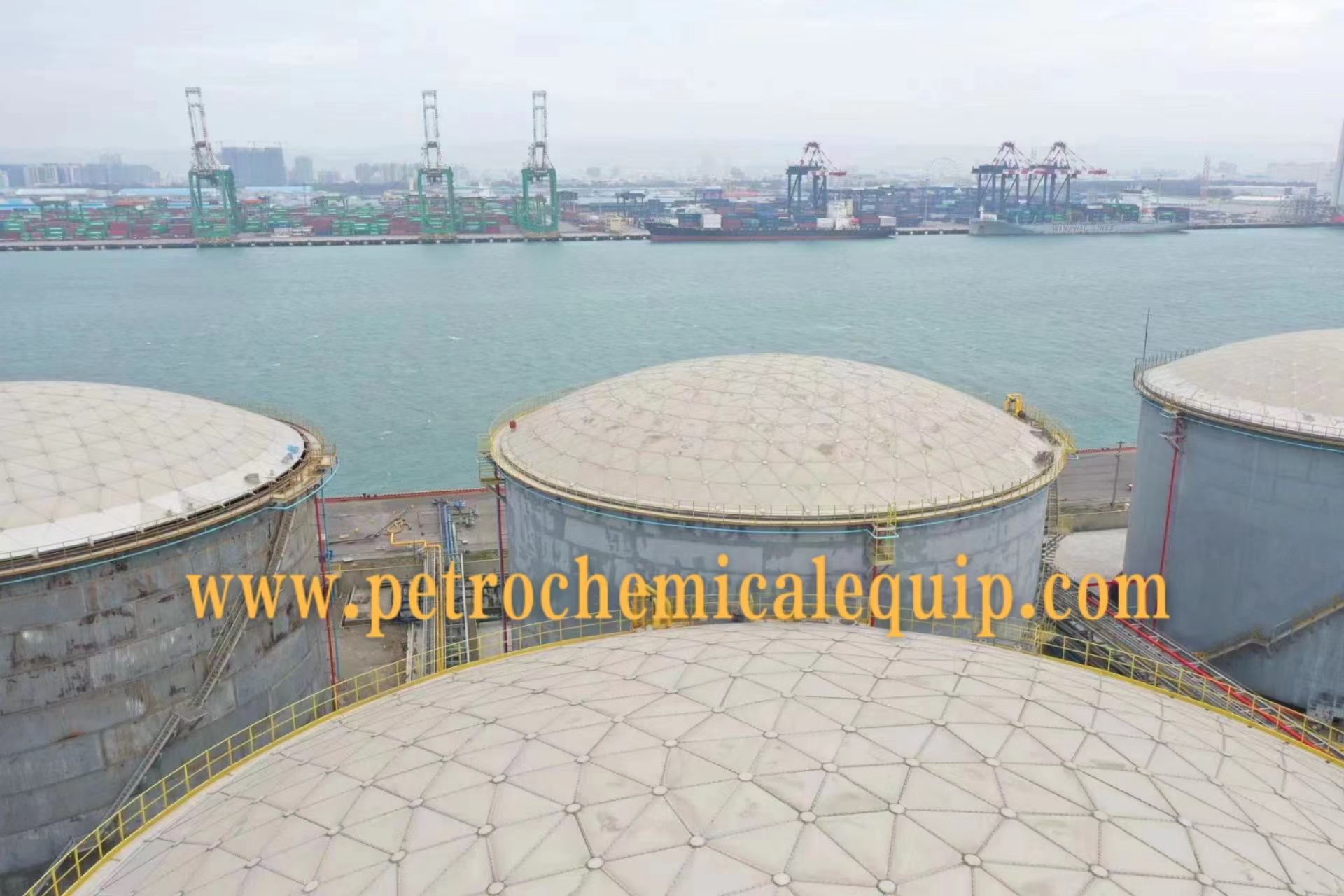
Cost-Effectiveness and ROI Considerations
Analyzing Initial Costs vs Long-Term Savings
Here is a comparison of the long-term savings and cost-effectiveness of Glass Fused to Steel Tanks versus other common tank materials:
Feature | Glass Fused to Steel Tanks | Concrete Tanks | Plastic Tanks |
Initial Cost | Higher initial cost | Moderate cost | Lower initial cost |
Maintenance Costs | Low (due to durability) | High (frequent repairs) | Moderate (UV degradation) |
Lifespan | 30+ years | 15-20 years | 5-10 years |
Corrosion Resistance | Excellent | Moderate (may crack) | Low (prone to UV damage) |
Energy Efficiency | High (due to insulated design) | Low (energy loss over time) | Low (insulation issues) |
Total Cost of Ownership | Low long-term costs | High due to repairs and replacements | Moderate, but requires frequent replacements |
This table highlights how Glass Fused to Steel Tanks provide better long-term value compared to concrete and plastic tanks, offering reduced maintenance costs and a longer lifespan.
While Glass Fused to Steel Tanks often come with a higher initial cost than alternatives like concrete or plastic tanks, their long-term savings make them a smart investment. These tanks are designed to last for decades with minimal maintenance, reducing the need for frequent repairs and replacements.
When selecting a manufacturer, consider the total cost of ownership, which includes the upfront cost, installation expenses, and long-term maintenance costs. A higher initial investment can often lead to significant savings over the tank’s lifecycle.
Evaluating Long-Term Cost Benefits
Beyond the initial purchase, GFS tanks offer long-term cost benefits due to their durability and low maintenance. Compared to concrete and plastic tanks, GFS tanks require fewer repairs and are less likely to suffer from wear and corrosion.
Additionally, their superior chemical resistance can save money on repairs and replacement parts, especially in industries that store chemicals or wastewater. Make sure to consider the tank’s energy efficiency and how its durability will reduce operational downtime and costs over time.
Installation and Logistics
Ease of Installation and Setup
The modular design of Glass Fused to Steel Tanks makes them faster and easier to install compared to traditional concrete or welded steel tanks. A reputable manufacturer should provide a detailed installation plan, including site preparation, foundation requirements, and a clear assembly process.
Quick and efficient installation reduces labor costs and project timelines, which can be especially important for large-scale industrial or municipal projects. Ensure that the manufacturer offers guidance and support during installation to avoid any delays or complications.
Transportation and Delivery Considerations
Transportation logistics are a crucial aspect of selecting a manufacturer. Glass Fused to Steel Tanks often come in large, modular panels that require careful handling and delivery. Make sure that the manufacturer offers efficient transportation solutions to ensure timely delivery of your tank.
Furthermore, it’s essential to ensure that the tank is easily relocatable or expandable. This flexibility can save significant costs and time in the future if your storage needs change.
Conclusion
Selecting the right Glass Fused to Steel Tank manufacturer is crucial for the long-term success of your storage solution. By focusing on material quality, manufacturing processes, supplier reputation, and cost-effectiveness, you ensure a durable and reliable tank. Manufacturers offering customization, certifications, and after-sales support are essential for optimal tank performance.
For businesses looking for a robust, eco-friendly, and cost-effective solution, Glass Fused to Steel Tanks from Lianyungang Bona Bangwei Petrochemical Equipment Co., Ltd. provide exceptional value and reliability.
FAQ
Q: What are Glass Fused to Steel Tanks?
A: Glass Fused to Steel Tanks are storage solutions that combine the strength of steel with the corrosion resistance of glass, providing durability and long-term reliability.
Q: Why should I choose a reliable manufacturer for Glass Fused to Steel Tanks?
A: Choosing a reliable manufacturer ensures the durability and performance of Glass Fused to Steel Tanks, preventing early failures and enhancing long-term value.
Q: How does the material quality affect Glass Fused to Steel Tanks?
A: High-quality steel and glass coatings ensure that Glass Fused to Steel Tanks are durable, corrosion-resistant, and suitable for various industrial and water storage applications.
Q: What are the advantages of Glass Fused to Steel Tanks over other tank types?
A: Glass Fused to Steel Tanks offer superior corrosion resistance, longevity, and low maintenance compared to concrete or plastic tanks, making them ideal for industrial use.
Q: How do I evaluate the cost-effectiveness of Glass Fused to Steel Tanks?
A: While the initial cost may be higher, Glass Fused to Steel Tanks offer long-term savings due to reduced maintenance and a longer lifespan, providing a higher return on investment.
Q: What certifications should I look for in a Glass Fused to Steel Tank manufacturer?
A: Look for manufacturers that comply with industry standards like AWWA D103 and NSF/ANSI 61, ensuring safety, quality, and performance for Glass Fused to Steel Tanks.


