+86-15205122223 /+86-15950509258
- All
- Product Name
- Product Keyword
- Product Model
- Product Summary
- Product Description
- Multi Field Search


Views: 0 Author: Site Editor Publish Time: 2026-01-27 Origin: Site


When it comes to safely storing volatile liquids, the Internal Floating Roof (IFR) is an essential component. Its main purpose is to reduce evaporative loss and prevent harmful emissions by providing a barrier between the stored liquid and the atmosphere. As industries like oil and gas, chemical processing, and petrochemicals often deal with a variety of chemicals, choosing the right material for your Internal Floating Roof is critical for ensuring long-term effectiveness. Among the materials commonly used for Internal Floating Roofs, aluminum and stainless steel are two of the most popular options. At Lianyungang Bona Bangwei Petrochemical Equipment Co., Ltd. (BNBW), we specialize in manufacturing Internal Floating Roofs that meet industry standards for durability and chemical compatibility. In this guide, we’ll dive into the chemical compatibility of both aluminum and stainless steel IFRs, helping you choose the material that best suits your storage needs.
Before we dive into the specifics of chemical compatibility, it’s important to first understand the properties and characteristics of the materials involved: aluminum and stainless steel. Both materials have their strengths and weaknesses, depending on the intended use and environmental conditions.
Aluminum is a lightweight, corrosion-resistant material widely used in Internal Floating Roofs because of its ability to float on the surface of the stored liquid. It is ideal for light-duty applications where weight and cost-efficiency are key considerations. Aluminum is also highly resistant to corrosion in most environments, making it suitable for storage tanks dealing with fuels, solvents, and light chemicals.
Stainless steel, on the other hand, is known for its strength and exceptional corrosion resistance, particularly in more aggressive environments. Its high tensile strength makes it ideal for harsh environments where there are high temperatures, aggressive chemicals, or extreme salinity. Stainless steel IFRs are ideal for industries such as chemical processing, where strong acids or alkalines may be stored.
Aluminum has a good resistance to corrosion in most storage conditions, but it may not perform as well when exposed to certain aggressive chemicals or high salinity environments. In contrast, stainless steel offers superior corrosion resistance, making it the go-to choice for applications involving harsh chemicals, acids, or chlorinated compounds.
Both materials can last for many years when properly maintained, but stainless steel tends to have a longer lifespan in environments where corrosion is a concern.
Understanding chemical compatibility is crucial when selecting the right material for your Internal Floating Roof. Different chemicals can react differently with aluminum and stainless steel, affecting the material’s longevity, structural integrity, and overall performance. Let’s explore how the two materials perform in relation to various chemicals.
Aluminum IFR: Aluminum is widely used in applications involving fuels, light chemicals, and hydrocarbons. It is particularly effective for storing petroleum products, gasoline, and diesel. However, aluminum may not be ideal for storing acids or strongly oxidizing chemicals, as these can cause corrosion over time.
Stainless Steel IFR: Stainless steel is the material of choice when dealing with aggressive chemicals, including strong acids, alkalines, and chlorinated compounds. It is highly resistant to corrosion and can withstand extreme chemical reactions, making it suitable for storing materials such as hydrochloric acid, sulfuric acid, and saltwater solutions.
By matching the right material to the stored liquid’s chemical properties, you can ensure optimal performance and longevity for your Internal Floating Roof.
Temperature plays a crucial role in chemical compatibility. Aluminum and stainless steel perform differently depending on the ambient temperature and environmental factors.
Aluminum: While aluminum performs well at moderate temperatures, it may not hold up as well in high-temperature environments. Exposure to extreme heat or oxidizing chemicals can degrade its surface, leading to reduced corrosion resistance and vapor leakage. As a result, aluminum IFRs are more suited for applications that deal with moderate heat and non-corrosive chemicals.
Stainless Steel: Stainless steel, with its high-temperature resistance, is better suited for harsh environments involving extreme temperatures or chemical exposure. It remains resilient and corrosion-resistant even when exposed to hot chemicals or environments with high salinity.
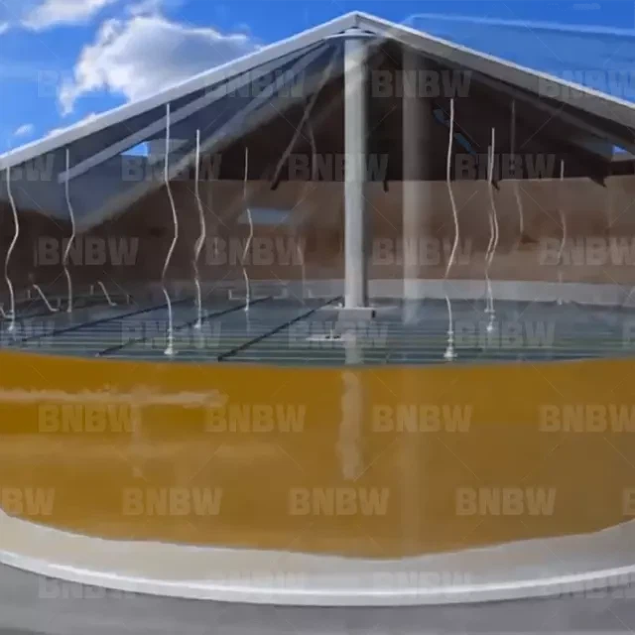
For a clearer understanding, here’s a side-by-side comparison of aluminum and stainless steel Internal Floating Roofs based on various performance characteristics:
Table: Material Performance Comparison
Feature | Aluminum IFR | Stainless Steel IFR |
Corrosion Resistance | Good | Excellent |
Cost | Lower | Higher |
Suitable Chemicals | Fuels, light chemicals | Aggressive chemicals, acids |
Maintenance Needs | Lower under normal conditions | Very low |
Temperature Resistance | Moderate | High |
Lifespan | Moderate, depending on environment | Longer, ideal for harsh chemicals |
As shown in the table, stainless steel offers superior durability in harsh chemical environments but comes at a higher cost. Aluminum, on the other hand, is a cost-effective option for light chemical storage and moderate temperatures.
Selecting the right material for your Internal Floating Roof involves understanding the characteristics of the stored liquid and the environmental conditions. Here’s how you can match material performance with your product needs:
The properties of the liquid being stored are crucial in determining whether aluminum or stainless steel is the right choice. Consider the following:
If the stored liquid is a fuel or light chemical, an aluminum IFR will provide adequate performance at a lower cost.
For tanks storing aggressive chemicals, acids, or salts, a stainless steel IFR is a more durable solution that will withstand harsh conditions and provide longer-lasting protection.
Many industries, particularly those dealing with hazardous chemicals, must comply with stringent safety regulations and environmental standards. Stainless steel IFRs offer the highest safety and compliance levels in these cases, as they can handle more corrosive or toxic materials. On the other hand, aluminum IFRs provide a cost-effective solution for less demanding applications.
The right choice of material for your Internal Floating Roof not only improves safety and efficiency but also reduces lifecycle costs and maintenance needs.
By choosing the appropriate material for your IFR, you can significantly reduce maintenance costs over time. Stainless steel may come with a higher upfront cost, but its longer lifespan and low maintenance requirements can result in a lower total cost of ownership in the long run.
Choosing the right IFR material enhances safety and ensures that you meet regulatory compliance. For industries that handle hazardous or corrosive chemicals, stainless steel IFRs provide the durability and strength needed to withstand the most demanding environments.
Selecting the right material for your Internal Floating Roof is essential to ensuring that your storage system operates efficiently and safely. Aluminum IFRs are ideal for light chemicals and moderate conditions, offering a cost-effective solution with good corrosion resistance. However, for more aggressive chemicals or harsh environments, stainless steel IFRs provide superior corrosion resistance and durability, making them a better long-term investment. At BNBW, we specialize in manufacturing high-quality Internal Floating Roofs tailored to meet the specific needs of your storage tanks. Contact us today to discuss your requirements and find the best floating roof solution for your business.
1. What materials are commonly used for Internal Floating Roofs?
Aluminum and stainless steel are the two most commonly used materials for Internal Floating Roofs. Aluminum is cost-effective and suitable for light chemicals, while stainless steel is ideal for aggressive chemicals and harsh environments.
2. How do I determine which material to choose for my IFR?
The choice of material depends on the chemical properties of the stored liquid and the environmental conditions. Aluminum is suitable for fuels and light chemicals, while stainless steel is better for aggressive chemicals and extreme conditions.
3. What are the advantages of stainless steel IFRs over aluminum?
Stainless steel offers superior corrosion resistance, making it ideal for harsh chemical environments. It has a longer lifespan and requires less maintenance than aluminum.
4. Can I use an aluminum IFR for acidic storage?
Aluminum is not recommended for storing strong acids or highly corrosive chemicals. For these applications, stainless steel provides better protection against corrosion and damage.


