When it comes to transporting liquids and gases, choosing the right loading system is essential for ensuring efficiency, safety, and cost-effectiveness at your terminal. Two of the most common loading methods are Top Loading and Bottom Loading systems, both of which have distinct features and advantages. The Top Loading system, where liquids or gases are loaded from the top of a tank or vehicle, is often preferred in a variety of industries due to its versatility, efficiency, and safety features.
Choosing between Top Loading and Bottom Loading systems depends on several factors, including the type of cargo being loaded, terminal layout, safety requirements, and operational goals. In this article, we will compare Top Loading and Bottom Loading systems, focusing on the specific benefits and considerations that make each system suitable for different terminal needs.
1. Understanding Top Loading Systems
What is Top Loading?
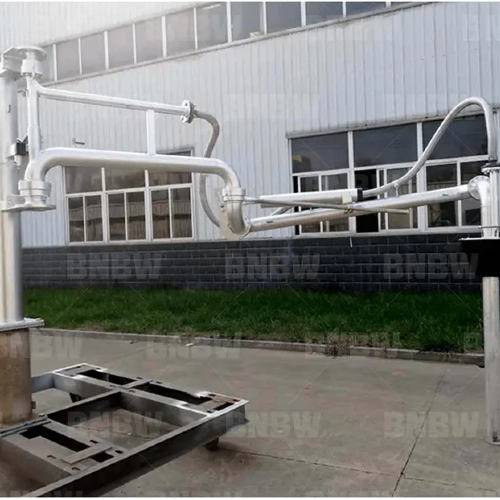
Top Loading refers to the process of transferring liquids, gases, or chemicals into a vehicle or storage tank through the top, often using specialized equipment such as Top Loading Arms. These systems are designed to connect to the receiving vessel from above, allowing operators to load products quickly and with precise control.
Unlike Bottom Loading, where the fluid enters from the bottom of the tank, Top Loading provides better visibility and easier access for operators to monitor the process. This makes it ideal for scenarios where high visibility, safety, and operational efficiency are a priority.
Key Features of Top Loading
The Top Loading system has several key features that differentiate it from other loading methods:
Flexibility and Adaptability:
Top Loading systems can accommodate a wide range of tank and vehicle sizes. The loading arms are designed to be adjustable, allowing them to reach various heights and configurations, making them versatile for terminals with different equipment types.
Efficient Loading Process:
The process of loading through the top is typically faster compared to bottom loading because it offers a direct path for liquids and gases into the container, reducing the complexity of the process. This helps optimize loading times, improving overall terminal efficiency.
Enhanced Safety:
The Top Loading system allows operators to visually inspect the loading process, ensuring that the tank is not overfilled and that no spillage occurs. Additionally, Top Loading Arms are often equipped with overfill protection devices, ensuring that the system meets stringent safety standards.
Minimal Vapor Exposure:
With Top Loading, operators have less direct exposure to vapors, which is especially important when dealing with hazardous or volatile chemicals. This reduces the risk of accidents related to toxic vapors during the loading process.
Advantages of Top Loading Systems
Top Loading systems provide several advantages for terminal operations:
Safety: The ability to see the entire process, combined with automatic overfill protection, enhances operator safety and reduces the risk of hazardous spills or accidents.
Speed and Efficiency: With easier access and faster setup times, Top Loading systems allow for quicker transfer of liquids, helping to improve the overall throughput of the terminal.
Automation Potential: Top Loading systems can be automated, further improving speed and accuracy, and reducing human error.
2. Understanding Bottom Loading Systems
What is Bottom Loading?
Bottom Loading is a method where the liquid or gas is loaded into the tank through connections made at the bottom of the container. This loading system is often used in environments where product vapor containment is a priority or where it is necessary to minimize the risk of hazardous spills or fumes during loading.
The Bottom Loading system uses specialized hoses or pipes that are inserted into the bottom of the receiving vehicle, filling it from the ground level. This design helps reduce the chances of air or vapor contamination during loading, making it an excellent choice for certain sensitive materials.
Key Features of Bottom Loading
Bottom Loading systems have their own distinct features, including:
Vapor Containment:
Since the loading takes place from the bottom, there is less chance of exposure to hazardous vapors or fumes. This is especially beneficial for loading volatile substances such as gasoline or chemicals.
Clean and Controlled Process:
The Bottom Loading method keeps the liquid contained in the tank without exposing it to the air, which can help prevent contamination and maintain product purity.
Efficient for Hazardous Materials:
Bottom Loading is often used for transporting hazardous liquids and chemicals, where controlling emissions and ensuring safety are critical factors in terminal operations.
Advantages of Bottom Loading Systems
While Top Loading systems are known for their versatility and speed, Bottom Loading systems excel in specific applications where safety and contamination control are essential:
Safety: Bottom Loading reduces the risk of exposure to toxic vapors, keeping the operator safe from hazardous chemicals during the loading process.
Cleanliness: This system ensures that the cargo is less likely to be contaminated by external factors, especially useful in industries requiring purity standards, such as pharmaceuticals or food-grade liquids.
Emission Control: Bottom Loading systems often incorporate vapor recovery mechanisms that capture gases and fumes, preventing the release of harmful substances into the environment.
3. Key Differences Between Top Loading and Bottom Loading Systems
The main differences between Top Loading and Bottom Loading can be summarized in the following categories:
Feature | Top Loading | Bottom Loading |
Safety | Better visibility and control for operators, with overfill protection systems. | Reduced exposure to fumes and vapors, more suitable for hazardous materials. |
Efficiency | Faster loading times, more flexible for various tank sizes and configurations. | More efficient for hazardous materials, but can be slower due to the complexity of the process. |
Installation Costs | Generally higher initial setup cost due to equipment flexibility and automation potential. | Typically lower setup cost but requires additional safety features such as vapor recovery. |
Maintenance | Requires regular maintenance for mechanical parts (e.g., loading arms, seals). | Maintenance focused on vapor recovery systems and the integrity of hoses and seals. |
Industry Suitability | Ideal for general cargo, fuel, chemicals, and bulk liquid products. | Best suited for volatile or hazardous materials like gasoline, chemicals, or oils. |
Speed and Efficiency
In terms of efficiency, Top Loading generally outperforms Bottom Loading because the system is quicker to set up and typically has faster transfer rates. The Top Loading process involves a more direct transfer path from the tank to the vehicle, reducing the amount of time it takes to fill containers.
Safety Considerations
While both systems have safety features, Top Loading systems offer enhanced safety in terms of visibility and control. Operators can monitor the loading process more effectively, ensuring that the tank is filled accurately without any spillage. In contrast, Bottom Loading systems are designed to prevent the release of hazardous vapors, making them ideal for dangerous or volatile substances.
Cost and Maintenance
The Top Loading system tends to have higher installation costs, especially if you include automated features like overfill protection and sensor integration. However, it offers greater operational efficiency and faster loading times. On the other hand, Bottom Loading systems typically have lower initial installation costs but may require more frequent maintenance related to vapor recovery and sealing mechanisms.
4. Choosing the Right Loading System for Your Terminal
Factors to Consider
When deciding between Top Loading and Bottom Loading, several factors must be considered to ensure the system fits your terminal’s needs:
Terminal Size: Larger terminals with a variety of vehicle sizes might benefit from the flexibility of Top Loading systems, while smaller, more specialized terminals may find Bottom Loading to be more cost-effective.
Cargo Type: For hazardous, volatile liquids, Bottom Loading systems are often the safer choice. However, for general liquid cargo, Top Loading can be more efficient and faster.
Safety Standards: Ensure that the system meets your regulatory compliance needs. Top Loading provides greater safety oversight, while Bottom Loading is best suited for emission-sensitive environments.
Cost Considerations: Factor in the installation and maintenance costs. Top Loading systems can be more expensive upfront but offer higher throughput, while Bottom Loading systems might offer lower initial costs with specific safety benefits.
Why Top Loading Might Be the Right Choice
Top Loading systems are ideal for terminals looking for high-speed, flexible, and efficient loading systems. The visibility and safety features provided by Top Loading Arms are particularly beneficial in operations where large volumes of non-hazardous liquids are handled. Additionally, the potential for automation and enhanced control makes Top Loading a great choice for modern terminals looking to streamline their operations and boost overall productivity.
5. Conclusion
In conclusion, both Top Loading and Bottom Loading systems offer distinct advantages based on the specific requirements of your terminal. Top Loading systems are renowned for their efficiency, flexibility, and enhanced safety features, making them ideal for high-volume operations and quick loading processes. On the other hand, Bottom Loading systems are best suited for applications where vapor control and contamination prevention are critical, particularly when handling hazardous or volatile substances.
The ultimate decision on which system to choose depends on a range of factors, including the type of cargo, safety regulations, terminal layout, and budget considerations. At Lianyungang Bona Bangwei Petrochemical Equipment Co., Ltd., we specialize in providing customized Top Loading and Bottom Loading solutions tailored to meet the unique needs of your operations. Our team is here to assist you in selecting the right system that enhances both safety and efficiency. We invite you to contact us for further information or personalized recommendations to help optimize your terminal operations.
6. FAQ
What is the main difference between Top Loading and Bottom Loading?
Top Loading involves loading liquids from the top of the tank, providing better visibility and efficiency, whereas Bottom Loading involves transferring materials from the bottom, which is often used for hazardous materials.
Which system is faster: Top Loading or Bottom Loading?
Top Loading is generally faster because it offers a more direct and straightforward process for loading liquids, reducing setup and transfer times.
Is Top Loading more flexible than Bottom Loading?
Yes, Top Loading systems are more versatile as they can accommodate different tank sizes and configurations, making them ideal for a variety of applications.
What industries benefit from Top Loading systems?
Industries such as petrochemical, fuel, and chemical sectors benefit from Top Loading systems due to their speed, flexibility, and safety features.
Can Bottom Loading systems handle hazardous materials?
Yes, Bottom Loading systems are designed to handle volatile or hazardous materials safely, minimizing the risk of vapor exposure and ensuring better containment.


