The Internal Floating Roof (IFR) is a critical component of storage tanks, especially for volatile liquids in industries like oil and gas, chemical processing, and petrochemicals. Its primary function is to minimize evaporative loss and control harmful emissions by creating a barrier between the liquid surface and the tank’s atmosphere. At Lianyungang Bona Bangwei Petrochemical Equipment Co., Ltd. (BNBW), we provide top-quality Internal Floating Roofs that are designed to meet the highest standards for efficiency and safety. However, like any complex system, IFRs can face issues, particularly concerning drainage and buoyancy. These issues can cause a significant decrease in the roof's performance, leading to safety risks, vapor loss, and increased operational costs. This article addresses common drainage problems and buoyancy challenges that affect Internal Floating Roofs and provides troubleshooting solutions to ensure optimal performance.
Why Drainage and Buoyancy Matter
Maintaining proper drainage and buoyancy is essential for the effective performance of an Internal Floating Roof. When water accumulates or the roof loses its buoyancy, it can undermine the seal between the tank’s liquid contents and the surrounding atmosphere, leading to increased evaporative loss, product contamination, and safety hazards.
How Poor Drainage Undermines IFR Performance
The drainage system of an Internal Floating Roof is designed to remove any accumulated water from the roof. If this system becomes blocked or inefficient, water can build up on the roof, which leads to several issues:
Increased weight on the roof, affecting its buoyancy.
Corrosion of the roof and structural components due to prolonged water exposure.
Reduced effectiveness of the seal, leading to higher vapor emissions and product loss.
Safety and Product Loss Implications
Water buildup on the roof can create several safety hazards:
Structural instability: The added weight can cause the roof to sink or tilt, compromising the roof’s structural integrity.
Increased safety risks: A compromised roof may pose a danger to the tank's integrity, potentially leading to leaks or fumes that could harm personnel or the environment.
Product loss: The inability to maintain a proper seal between the roof and the liquid increases the potential for vapor loss, which results in financial losses and non-compliance with environmental regulations.
Therefore, managing drainage and buoyancy is vital to ensuring the Internal Floating Roof remains effective, cost-efficient, and compliant with regulations.
Common Drainage Problems
Several common drainage issues can compromise the performance of an Internal Floating Roof, especially those used in chemical storage tanks. These issues often arise due to blocked drains, improper slope design, or rainwater buildup. Let's delve into each of these problems and how they can be resolved.
Blocked Drains
Blocked drains are one of the most common causes of water accumulation on an Internal Floating Roof. Over time, debris, sediment, and corrosive materials can accumulate in the drainage system, preventing water from flowing freely. When the drainage pipes are clogged, rainwater and condensation cannot be effectively removed, leading to water buildup on the roof.
Blocked drains can cause a variety of problems, including increased weight on the roof and the potential for vapor loss due to compromised seals. In addition, stagnant water on the roof can cause corrosion and damage to the roof structure.
Improper Slope Design
The slope design of the roof plays a critical role in ensuring effective drainage. If the roof slope is not properly designed, water can pool in certain areas, particularly around the rim or drainage points. A poorly designed slope leads to water accumulation, which negatively affects the buoyancy of the roof and creates the risk of seal failure.
Proper slope design ensures that water drains efficiently from the roof, preventing issues like water buildup and seal damage. If the slope is too flat or uneven, drainage problems will persist, and the performance of the Internal Floating Roof will be compromised.
Rainwater Buildup Risk
Even with a well-designed drainage system, rainwater buildup can still occur, especially in regions with heavy rainfall or high humidity. Water may accumulate in areas where the drainage system is inadequate or where rainwater runoff is not efficiently channeled away from the roof.
When rainwater accumulates on the roof, it can increase the weight on the roof, impair the buoyancy, and cause structural strain. Rainwater buildup also promotes corrosion and can damage seals, leading to vapor loss and product contamination.
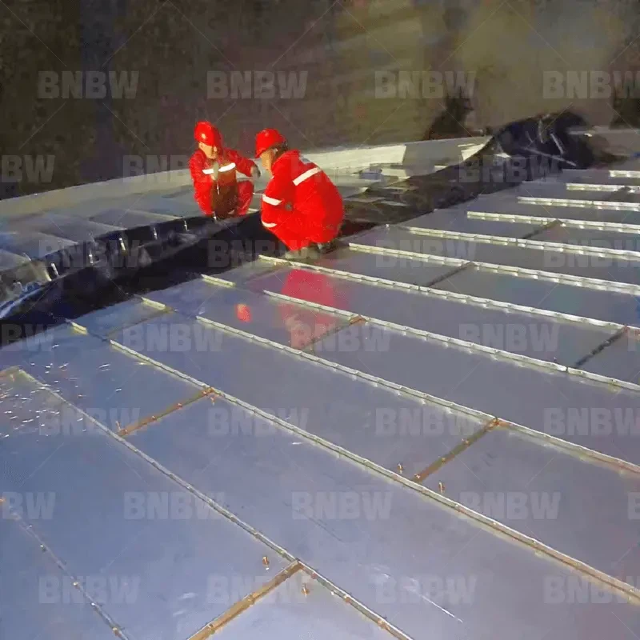
Buoyancy Challenges
Buoyancy is another critical factor in the effective operation of an Internal Floating Roof. The roof must maintain sufficient buoyancy to stay afloat on the liquid and maintain a tight seal. Several factors can lead to buoyancy problems, including incorrect float calibration, support leg issues, and liquid density effects.
Incorrect Float Calibration
The buoyancy of an Internal Floating Roof relies on the correct calibration of the floating system. Incorrect calibration can cause the roof to sink or rise too high, leading to seal failure and vapor loss. Proper calibration ensures that the roof maintains a constant seal with the stored liquid, which is crucial for vapor suppression and emission control.
Float calibration problems can arise due to installation errors, wear and tear, or improper design. Regular inspection and adjustment are necessary to ensure that the roof maintains the correct level of buoyancy.
Leg Support Issues
Some Internal Floating Roofs use leg supports to maintain their height above the liquid. If the support legs become worn or damaged, they may fail to provide the necessary support, causing the roof to lose buoyancy and potentially sink into the liquid. Leg support issues can lead to seal failure, vapor emissions, and safety hazards.
It is important to regularly inspect leg supports for signs of wear, damage, or corrosion. Ensuring that these support systems are properly maintained helps maintain the roof’s stability and performance.
Liquid Density Effects
The liquid density of the stored material can also affect the buoyancy of the Internal Floating Roof. Denser liquids create more pressure on the roof, causing it to sink further into the liquid. This increased pressure may lead to vapor loss and make it more difficult for the roof to maintain an effective seal.
For highly dense liquids, such as crude oil or heavy chemicals, a more robust Internal Floating Roof design may be necessary to handle the additional pressure.
Troubleshooting Table
Below is a table summarizing the common issues and their recommended solutions:
Table: Common Issues & Solutions
Issue | Likely Cause | Recommended Action |
Water buildup on deck | Blocked drain | Clear drain, adjust slope |
Roof sinking | Buoyancy loss | Check float integrity |
Seal leakage | Wear/damage | Replace seals |
By following these troubleshooting steps, you can identify and resolve common drainage and buoyancy issues that may arise with your Internal Floating Roof.
Preventive Practices
In addition to troubleshooting, adopting preventive maintenance practices can help avoid drainage and buoyancy issues before they occur. Routine inspections, proper design, and installation are critical to the long-term performance of your Internal Floating Roof.
Routine Inspection
Regular inspections are essential to identify early signs of problems such as water buildup, seal wear, and buoyancy loss. Inspections should be scheduled monthly for seals, quarterly for drainage systems, and annually for buoyancy testing. Inspections should also include checking for corrosion and structural integrity.
Proper Design and Installation
Ensuring that the Internal Floating Roof is properly designed and installed is crucial to preventing drainage and buoyancy issues. Work with professionals to ensure that the roof is appropriately sized, the drainage system is optimized, and the buoyancy system is calibrated correctly.
Conclusion
Proper maintenance and troubleshooting of your Internal Floating Roof can significantly extend its lifespan, reduce vapor emissions, and prevent product loss. By addressing common drainage issues and buoyancy challenges, you can ensure that your Internal Floating Roof operates efficiently and remains in compliance with environmental regulations. At BNBW, we specialize in designing, manufacturing, and supporting high-quality Internal Floating Roofs for various industries. Contact us today to learn more about our products and services, and let us help you keep your storage systems running smoothly.
FAQ
1. How often should I inspect my Internal Floating Roof for drainage and buoyancy issues?
You should perform monthly inspections for seal wear, quarterly inspections for drainage systems, and annual buoyancy checks to ensure optimal performance.
2. What causes water buildup on an Internal Floating Roof?
Water buildup is often caused by blocked drains, improper slope design, or rainwater accumulation. Regularly check and clear the drainage system to prevent water buildup.
3. How does buoyancy affect the performance of an Internal Floating Roof?
If the buoyancy is compromised, the roof may sink into the liquid, which could cause seal failure, vapor loss, and product loss.
4. How can I prevent drainage problems on my Internal Floating Roof?
Ensure that your drainage system is regularly inspected and maintained. Proper slope design and water management are key to preventing drainage issues.


