Introduction
Glass Fused to Steel (GFS) tanks are known for their durability and resistance to corrosion. They are widely used across industries, from water treatment to chemical storage. However, without proper assembly and commissioning, these tanks may face issues that could affect their performance.
In this article, we will explore the common problems encountered during the assembly and commissioning of GFS tanks. You'll learn how to troubleshoot these issues to prevent costly repairs and ensure the long-term efficiency of your tanks.
Understanding Glass Fused to Steel Tanks: Construction and Benefits
What Are Glass Fused to Steel Tanks?
Glass Fused to Steel tanks are constructed by fusing a layer of glass to the steel surface at high temperatures. This process ensures a seamless bond between the two materials, offering the durability of steel and the corrosion resistance of glass. The result is a tank that is perfect for storing aggressive chemicals, wastewater, and other liquids.
Glass Fusion Process: Steel is heated to around 850°C, then powdered glass is applied and fused to the steel, creating a smooth, non-porous coating.
Key Benefits of Glass Fused to Steel Tanks
The key advantages of using GFS tanks are:
Benefit | Description |
Corrosion Resistance | The glass layer provides exceptional protection against corrosion, especially for chemicals. |
Durability | These tanks are built to last for decades without significant wear. |
Low Maintenance | Due to the durable glass coating, the tanks require minimal maintenance over time. |
Cost-Effective | Although initial installation costs may be higher, the longevity and low maintenance reduce overall costs. |
Common Uses of Glass Fused to Steel Tanks
Glass Fused to Steel tanks are used across various industries due to their strength and resistance to corrosion. They are commonly used in:
Agricultural Storage: For water, fertilizers, and biogas.
Water Treatment: Both potable water and wastewater treatment.
Chemical Storage: Ideal for aggressive chemical substances that require robust containment.
Common Issues in Glass Fused to Steel Tank Assembly
Incorrect Assembly Practices and Their Impact
Improper assembly practices can lead to significant issues such as leaks and structural weaknesses. Some common assembly errors include:
Poor Alignment of Panels: Misaligned panels can cause gaps, leading to leaks over time.
Incorrect Sealant Application: Using inappropriate sealants or applying them incorrectly can result in inadequate sealing, causing water ingress and corrosion.
Tip: Always ensure that assembly is performed by trained professionals who understand the specifications of GFS tanks.
Handling and Installation Errors
During installation, improper handling can lead to damage of the glass coating, which is a delicate surface. Some common errors include:
Damage to Glass Coating: Scratches or chips on the glass coating during installation can lead to corrosion.
Improper Lifting Techniques: Using incorrect lifting equipment or methods can place unnecessary stress on the tank, potentially causing structural damage.
Challenges with Tank Panel Sealing
The panel sealing process is critical in ensuring the tank’s integrity. Common challenges include:
Issue | Cause | Solution |
Leaking Seams | Poor or inadequate sealing | Use high-quality gaskets and sealants |
Corrosion at Seals | Wrong sealing materials or poor application | Regular inspection and proper re-sealing |
Misaligned Panels | Improper alignment during assembly | Precise alignment during installation |
Troubleshooting Issues During Commissioning
Pressure Testing Failures
Pressure testing is an essential step during commissioning to ensure the tank can withstand operational pressures. Common issues include:
● Leaks at Seams or Welds: If a leak occurs during pressure testing, check the seams and welds for imperfections or gaps.
● Inadequate Pressure Setup: Ensure the correct pressure levels are used during the test, as specified by the manufacturer.
Electrical and Cathodic Protection Systems Malfunctions
Cathodic protection systems are designed to prevent corrosion by applying a small electrical current. However, malfunctions can occur, leading to inadequate protection. Common issues include:
Faulty Electrical Grounding: Improper grounding can lead to failure of the cathodic protection system.
Inadequate Current Flow: Ensure that the cathodic protection system is functioning correctly by regularly testing the current flow.
Monitoring pH Levels and Corrosion Prevention
Maintaining the right pH level is essential for preventing corrosion in GFS tanks. Key considerations include:
pH Imbalance: Extreme pH levels (too acidic or alkaline) can damage the glass coating. Regularly monitor and adjust the pH levels of the stored material.
Corrosion Control: Use pH stabilizers and regularly inspect for signs of corrosion.
Tip: Always implement a regular monitoring schedule for pH and corrosion prevention to avoid long-term damage.
Preventive Measures to Avoid Common Assembly and Commissioning Issues
Training and Skill Requirements for Installers
The proper assembly and commissioning of GFS tanks require skilled professionals. Ensuring that installation teams are trained and certified is crucial to prevent issues. Training should cover:
Understanding Tank Assembly Specifications: Installers should know how to handle GFS tanks and their unique assembly requirements.
Safety Standards and Procedures: Proper training ensures that safety protocols are followed, reducing the risk of damage during installation.
Regular Inspections and Early Detection of Problems
Routine inspections are crucial for detecting issues early. Before assembly, ensure a checklist is followed for visual and functional inspections. This helps catch:
● Panel Misalignments
● Sealant Issues
● Structural Defects
Using the Right Materials for Tank Assembly
Selecting the appropriate materials for assembly is critical to ensuring tank performance:
Material | Purpose | Recommended Use |
Sealants | To prevent leaks | Must be compatible with the tank contents |
Gaskets | To ensure a secure seal | Use high-quality rubber or PTFE gaskets |
Coatings | For corrosion resistance | Apply corrosion-resistant coatings based on tank needs |
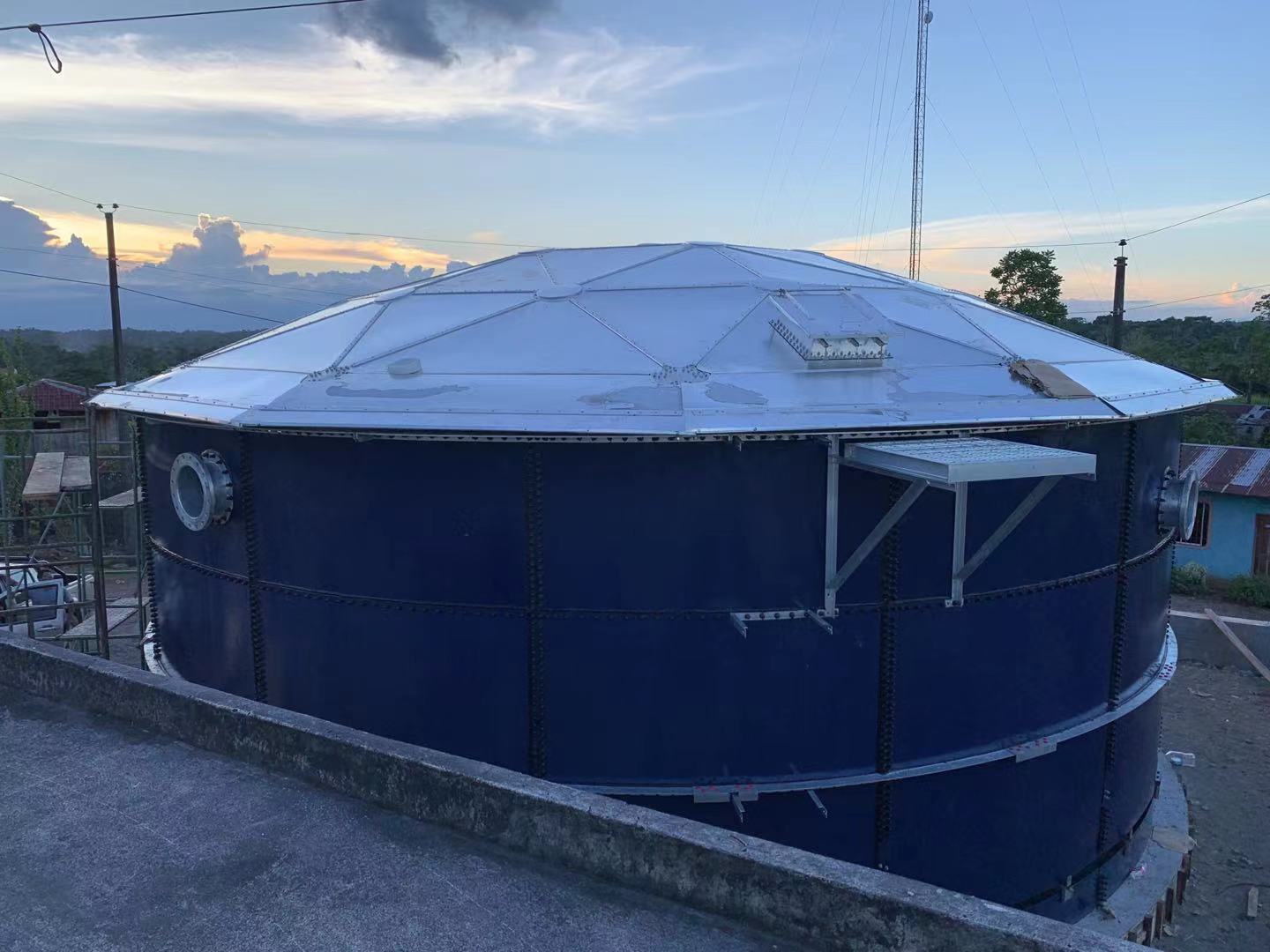
Case Study: Addressing Leaks and Sealing Issues in a GFS Tank
Identifying the Source of Leaks
Leaks can occur at various points in a GFS tank, especially if the sealing is not done properly. Common leak sources include:
Seams Between Panels: Always check for gaps or improper sealing at the seams.
Damaged Glass Coating: Inspect the tank’s glass coating for cracks or chips that could lead to leaks.
Effective Sealant and Coating Solutions
To fix leaks, a polyurea coating is a reliable solution. The repair process includes:
1. Cleaning the Surface: Remove any debris or contaminants from the area around the leak.
2. Applying Polyurea Lining: Spray the polyurea lining over the affected areas to restore the tank’s integrity.
3. Curing the Lining: Allow the polyurea to cure before filling the tank to ensure a tight seal.
Long-Term Solutions for Preventing Recurring Issues
To prevent leaks from recurring, establish a regular maintenance schedule and periodic inspections. Implementing a preventive maintenance program can save time and money in the long run.
Repairing Glass Fused to Steel Tanks: Best Practices and Techniques
Minor and Major Repair Techniques
Minor Repairs: Small cracks and chips can be repaired using specialized kits that restore the tank's glass coating.
Major Repairs: For significant damage, a re-coating process may be required. This involves cleaning, re-coating with glass powder, and fusing it to the steel.
Choosing the Right Repair Compounds and Materials
Choosing the appropriate materials is essential to ensure the longevity of repairs:
Repair Material | Purpose | Recommended Use |
Polyurea Coatings | To restore the glass coating | Suitable for sealing large areas |
Adhesion Promoters | To ensure proper bonding with the glass surface | Use before applying polyurea lining |
Post-Repair Inspections and Monitoring
After repairs, it’s crucial to conduct thorough inspections, including:
Pressure Testing: To check for leaks and ensure the tank can withstand operational pressures.
Corrosion Checks: To ensure that the tank remains protected from long-term damage.
Final Steps: Ensuring Longevity After Assembly and Commissioning
Post-Commissioning Monitoring and Maintenance
Once the tank is commissioned, regular monitoring is essential to ensure it performs well over time. Establish a monitoring system for:
Structural integrity
Pressure levels
Corrosion prevention
The Role of Routine Cleaning and Corrosion Control
Routine cleaning is critical to ensure the longevity of the glass coating. Use non-abrasive cleaning techniques and ensure the tank is regularly inspected for any signs of corrosion.
Partnering with Reliable Suppliers for Support
Choosing a reliable supplier for GFS tanks ensures quality and support. A trustworthy supplier will provide warranty services and maintenance resources, ensuring long-term tank performance.
Conclusion
Proper assembly and commissioning of Glass Fused to Steel tanks are crucial for long-term performance. By troubleshooting common issues early, you can extend the lifespan of your GFS tank and avoid costly repairs. Regular inspections, skilled labor, and the use of high-quality materials are key to maintaining tank integrity.
Lianyungang Bona Bangwei Petrochemical Equipment Co., Ltd. offers high-quality GFS tanks that are durable and corrosion-resistant, ensuring reliability and efficiency. Their products are designed to provide long-term value through consistent performance and low maintenance.
FAQ
Q: What are Glass Fused to Steel Tanks and how are they constructed?
A: Glass Fused to Steel Tanks combine steel and glass, creating a durable, corrosion-resistant surface for long-term storage.
Q: Why is proper assembly important for Glass Fused to Steel Tanks?
A: Proper assembly ensures the tank's structural integrity, preventing issues like leaks and ensuring longevity.
Q: How do you troubleshoot leaks in Glass Fused to Steel Tanks?
A: To troubleshoot leaks, check the panel seams and seals for improper application or damage, then reseal or replace.
Q: What is the common cause of pressure testing failure in GFS tanks?
A: Pressure testing failures often result from improper sealant application or structural defects, which need thorough inspection.
Q: Why do Glass Fused to Steel Tanks require regular maintenance?
A: Regular maintenance prevents corrosion, damage, and ensures the tank functions efficiently over its long lifespan.
Q: How can GFS tank installation issues be prevented during commissioning?
A: Proper alignment, skilled labor, and using the correct materials are essential for preventing installation errors


