Introduction
Have you ever wondered how to store water safely and efficiently in harsh environments? Glass-Fused-to-Steel (GFS) tanks offer a powerful solution.These tanks combine the strength of steel with the durability and corrosion resistance of glass. The result is a long-lasting, reliable storage solution ideal for both industrial and water storage needs.
In this article, you will learn about the core benefits of GFS tanks, their applications, and why they are the best choice for long-term storage solutions.
Understanding Glass-Fused-to-Steel Tanks
What is Glass-Fused-to-Steel?
Glass-Fused-to-Steel (GFS) tanks are a type of storage tank that is created by fusing glass enamel to a steel substrate. This fusion process combines the strength, flexibility, and structural integrity of steel with the corrosion resistance, UV protection, and durability of glass. The glass enamel coating provides a smooth, resistant surface that protects the steel from the elements, while the steel offers a robust framework that can withstand high pressure and external stress.
In simple terms, GFS tanks are designed to endure harsh environmental conditions, including exposure to chemicals, water, UV rays, and fluctuating temperatures. Their unique combination of materials ensures that they maintain their structural integrity and continue to perform effectively over time. This makes them especially valuable for demanding applications such as water storage, industrial storage, and firefighting systems.
Key Features of Glass-Fused-to-Steel Tanks
● Corrosion Resistance: The glass coating prevents corrosion, making GFS tanks ideal for use in environments exposed to water or industrial effluents.
● UV Protection: The glass layer shields the steel from harmful UV rays, ensuring the tank remains intact even under intense sunlight.
● Durability: GFS tanks are designed to last for decades, with a lifespan of 30 years or more, depending on maintenance.
● Flexibility: GFS tanks can be used for a wide range of applications, including residential, municipal, and industrial water storage, as well as firefighting.
How is the Glass-Fused-to-Steel Tank Made?
The creation of a Glass-Fused-to-Steel tank involves applying a glass enamel coating to both the interior and exterior of a steel tank. This process is carried out in a high-temperature furnace, with temperatures ranging from 780°C to 900°C. During this time, the glass fuses to the steel, forming a solid, smooth, and corrosion-resistant surface.
The steel structure provides strength and flexibility, while the glass enamel creates a durable protective layer. This fusion process ensures that the tank is both sturdy and resistant to various environmental factors, including water, chemicals, and extreme weather conditions.
Benefits of Glass-Fused-to-Steel Tanks
Excellent Corrosion Resistance
Glass-Fused-to-Steel tanks are renowned for their superior corrosion resistance. The glass enamel acts as a barrier that prevents the steel from coming into direct contact with corrosive elements such as water, salt, or chemicals. This makes them ideal for use in environments with high humidity, industrial effluents, or salty coastal areas.
Their ability to resist corrosion ensures that these tanks have a long service life, even when exposed to harsh environments. This characteristic significantly reduces the need for frequent repairs or replacements.
Long-Term Durability and Longevity
One of the main advantages of GFS tanks is their longevity. Properly maintained, these tanks can last for several decades. Many GFS tanks are in use for over 30 years, especially in municipal water storage or industrial applications.
This long lifespan makes GFS tanks an excellent investment, as they require fewer replacements compared to other materials such as plastic or concrete.
Example: A water treatment facility using GFS tanks has reported a reduction in maintenance costs by 40% over 25 years, highlighting the durability of these tanks in real-world conditions.
Environmentally Friendly and Sustainable
GFS tanks are made from recyclable materials, making them an environmentally friendly option. Additionally, the long lifespan of these tanks means fewer replacements and reduced environmental impact over time.
The corrosion resistance also ensures that there is no contamination of stored water or industrial materials, further contributing to their sustainability.
Low Maintenance and Easy Repairs
Due to the strength and durability of the Glass-Fused-to-Steel coating, these tanks require less maintenance compared to alternative storage solutions. Any required repairs are typically straightforward and cost-effective. The modular design of GFS tanks allows for easy replacement of individual panels if necessary, without the need to dismantle the entire tank.
Flexibility and Versatility of Use
GFS tanks are versatile and can be used across various industries. Whether for residential water storage, firefighting applications, or industrial use, GFS tanks provide flexibility in design and can be customized to meet specific needs.
These tanks are also easily relocatable, extendable, and can be reassembled or modified if required. This adaptability makes them ideal for projects with changing or expanding needs.
Applications of Glass-Fused-to-Steel Tanks
Water Storage Solutions
GFS tanks are commonly used for water storage, whether for residential, municipal, or industrial purposes. The tanks provide a safe, secure, and reliable solution for storing clean, potable water. Their sealed design prevents contaminants such as dust, dirt, and insects from entering, ensuring the water remains clean and safe.
GFS tanks are ideal for both large-scale industrial use and smaller residential setups, offering flexibility in size and design.
Industrial Applications
In industrial settings, GFS tanks are used to store liquids, effluents, and sludges. Their resistance to chemicals, corrosion, and UV damage makes them well-suited for industries like mining, chemicals, and wastewater treatment. The modular design also allows easy customization for specific storage needs.
Fire Fighting and Irrigation
GFS tanks are critical in fire protection systems, providing a reliable source of water for fire suppression. In agricultural settings, they are used for irrigation purposes. The ability to withstand high pressure and environmental stress makes them perfect for both firefighting and irrigation applications.
The Manufacturing Process of Glass-Fused-to-Steel Tanks
The Fusion Process: Glass and Steel
The fusion process is essential for creating Glass-Fused-to-Steel tanks. The glass enamel is applied to the steel sheets at high temperatures, bonding the two materials together. This fusion results in a highly durable tank surface that can withstand corrosion, chemical exposure, and extreme weather conditions.
Quality Standards and Certifications
Glass-Fused-to-Steel tanks are manufactured following international standards such as EN ISO 28765:2011 and ANSI/AWWA D103-09. These certifications ensure the tanks meet strict quality, design, and finish requirements, offering assurance of their durability and performance.
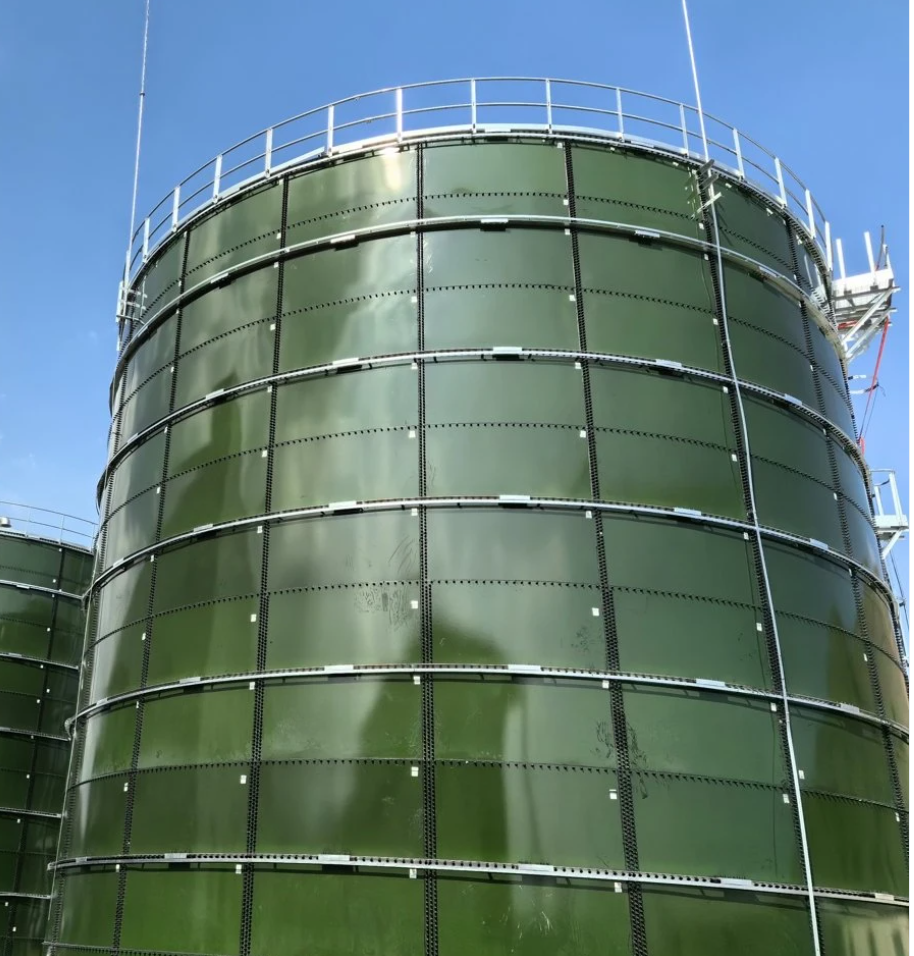
Advantages of Using Glass-Fused-to-Steel Tanks Over Other Materials
Comparisons with Concrete and Plastic Tanks
Here is a comparison between Glass-Fused-to-Steel Tanks and other common tank materials:
Feature | Glass-Fused-to-Steel Tanks | Concrete Tanks | Plastic Tanks |
Corrosion Resistance | Excellent, glass coating prevents corrosion | Poor, vulnerable to corrosion | Moderate, prone to UV damage |
Lifespan | Over 30+ years | Shorter, may crack over time | Shorter, prone to deformation and cracking |
Maintenance Needs | Low maintenance, easy to repair | High maintenance required | Frequent repairs or replacements |
Installation Ease | Modular design, fast installation | More complex, takes longer | Easy to install, but affected by external factors |
Pressure Resistance | High | High | Low |
Environmental Adaptability | Suitable for harsh environments | Suitable for stable environments | Affected by environmental |
his table compares the key features of Glass-Fused-to-Steel Tanks with concrete and plastic tanks, showcasing the advantages of using GFS tanks in various applications.
When compared to concrete or plastic tanks, GFS tanks have several advantages. They offer greater durability, better corrosion resistance, and a longer lifespan. Concrete tanks can crack over time, while plastic tanks are more prone to UV damage and wear. GFS tanks provide a stronger, more reliable storage solution, especially in harsh environments.
The Cost-Effectiveness of GFS Tanks
Although GFS tanks may have a higher initial cost than some alternatives, their long lifespan and low maintenance requirements make them more cost-effective in the long run. They also save money by reducing the need for frequent repairs or replacements.
Challenges and Considerations When Choosing Glass-Fused-to-Steel Tanks
Installation Considerations
Installing Glass-Fused-to-Steel tanks is a relatively fast and straightforward process, thanks to their modular design. Panels are shipped to the site, and the tanks are assembled on location. However, site preparation is essential for ensuring the tank is installed correctly and securely.
Site Conditions and Environmental Factors
GFS tanks are highly adaptable but should be installed in locations that minimize exposure to extreme environmental factors. For instance, while they are suitable for coastal environments, the location should be assessed for its overall impact on the tank’s durability and performance.
Conclusion
Glass-Fused-to-Steel tanks offer an exceptional solution for long-term water and industrial storage needs. Their combination of corrosion resistance, durability, and low maintenance makes them ideal for a wide range of applications. Whether used in municipal water systems, industrial storage, or firefighting, GFS tanks are reliable and cost-effective.
For businesses and municipalities seeking durable, eco-friendly, and cost-effective storage solutions, Glass-Fused-to-Steel tanks from Lianyungang Bona Bangwei Petrochemical Equipment Co., Ltd.are an excellent choice, providing unmatched value and performance.
FAQ
Q: What is a Glass Fused to Steel Tank?
A: A Glass Fused to Steel tank combines steel and glass to create a durable, corrosion-resistant storage solution.
Q: How are Glass Fused to Steel Tanks made?
A: Glass Fused to Steel Tanks are created by fusing glass enamel to steel at high temperatures, providing enhanced durability.
Q: What are the main benefits of Glass Fused to Steel Tanks?
A: Glass Fused to Steel Tanks offer corrosion resistance, long-lasting durability, and low maintenance, making them ideal for various applications.
Q: How is Glass Fused to Steel Tank installation done?
A: Installation of Glass Fused to Steel Tanks is easy and quick, thanks to their modular design and factory-quality panels.
Q: Why are Glass Fused to Steel Tanks ideal for industrial use?
A: Glass Fused to Steel Tanks provide a reliable and corrosion-resistant solution for industrial applications, even in harsh environments.
Q: What makes Glass Fused to Steel Tanks eco-friendly?
A: These tanks are made from recyclable materials, and their long lifespan reduces the need for frequent replacements, promoting sustainability.


