1. Introduction to Top Loading Arms
What is a Top Loading Arm?
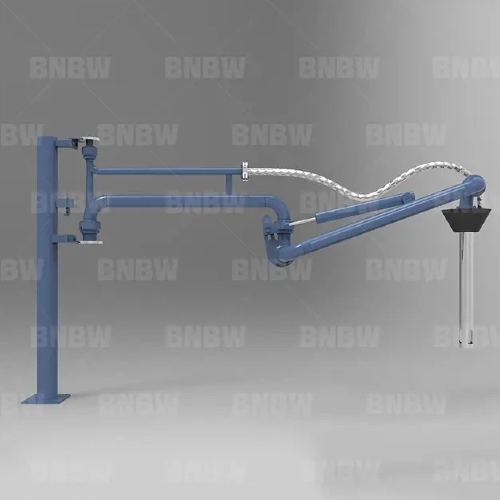
A Top Loading Arm is a specialized piece of equipment used in the industrial sectors, especially in petrochemical, oil, and chemical industries. It facilitates the safe and efficient transfer of liquids, gases, and chemicals between storage tanks and transportation units like tank trucks, rail cars, and ships. These loading arms are mounted on fixed or movable platforms and are designed to move liquids from one container to another through a flexible, often articulated arm that extends and retracts based on the required fill distance.
A Top Loading Arm typically features a combination of flexible hoses, rotating joints, and support structures, designed for use in top-fill configurations, where liquids are loaded from the top of the receiving vessel. The primary role of a Top Loading Arm is to provide easy and controlled access to tanks, enabling operators to connect and disconnect with minimal risk of spillage or leaks.
Why Overfill Protection is Crucial?
Overfill protection is an essential safety feature designed to prevent the overfilling of storage containers during the loading process. Overfilling can lead to serious consequences, including environmental contamination, fire hazards, equipment damage, and operational inefficiencies. In industries where hazardous chemicals or petroleum products are involved, overfill protection systems are vital to ensuring safety standards are met.
2. The Role of Overfill Protection in Top Loading Arms
Purpose of Overfill Protection
The primary purpose of overfill protection in Top Loading Arms is to ensure that liquids or gases do not overflow from storage vessels during the loading process. Overfilling can cause environmental harm, safety incidents, and operational inefficiencies. By incorporating overfill protection, operators can maintain control over the volume of material being transferred, avoiding spills and minimizing the risk of contamination.
How Overfill Protection Works
Overfill protection in Top Loading Arms typically integrates several components that monitor, detect, and stop the transfer process when the tank reaches its specified capacity. These components include flow rate sensors, level detectors, and automatic shut-off valves.
Flow Rate Sensors: These sensors measure the flow of liquid through the loading arm and can detect any unexpected spikes or decreases in flow that may indicate an impending overfill.
Level Detectors: Level detectors (such as ultrasonic or radar sensors) continuously monitor the liquid levels inside the tank to ensure that it does not exceed the safe fill threshold.
Emergency Shut-off Valves: These valves automatically close once the liquid reaches a predefined maximum level, halting the transfer and preventing overfilling.
3. Key Components of Overfill Protection in Top Loading Arms
Sensors and Alarms
Overfill protection systems rely on a range of sensors to detect the fill level of the receiving tank or vessel. The most common types of sensors include:
Sensor Type | Description | Use Case |
Ultrasonic Sensors | Use sound waves to measure the distance from the liquid surface to the sensor. | Widely used in tanks where non-contact measurement is needed. |
Radar Sensors | Use radar waves to detect the liquid level. | Ideal for tanks with volatile liquids or extreme temperatures. |
Capacitance Sensors | Measure changes in capacitance as the liquid level increases. | Used in non-metallic tanks or where high accuracy is needed. |
These sensors are connected to a central alarm system that warns operators of any overfill conditions. When the liquid level approaches the maximum threshold, the system triggers an alarm, alerting the operator to take action.
Automatic Shut-off Systems
Automatic shut-off systems are integrated into Top Loading Arms to stop the flow of liquids once the tank is full. These systems are essential in preventing overflows and mitigating the risk of spillage. The shut-off valves are activated by signals from the level detectors or flow rate sensors.
Automatic Shut-off Systems operate as follows:
Once the predefined fill level is reached, the level detectors signal the shut-off valve to close.
The valve automatically blocks further liquid flow, halting the loading process.
The system can include a fail-safe mechanism to prevent false shut-offs and ensure reliability.
Integration with Other Safety Systems
The overfill protection system in a Top Loading Arm works in conjunction with other safety mechanisms, such as leak detection systems and pressure monitoring sensors. Together, these systems create a layered approach to safety that ensures both the operator and the environment are protected.
4. Benefits of Top Loading Arm Overfill Protection
Enhanced Safety
Overfill protection enhances safety by preventing hazardous liquid spills, leaks, or overflows. In industries such as petrochemical and oil & gas, even a small spill can lead to catastrophic results, including environmental contamination, fire hazards, and financial losses. By stopping overfill events before they occur, operators reduce the likelihood of accidents and ensure a safer work environment.
Additionally, Top Loading Arms with integrated overfill protection systems help minimize human error. By automating the monitoring and shutdown process, these systems reduce the chance of operator mistakes, such as miscalculating fill levels or overlooking safety checks.
Regulatory Compliance
Many industries, including oil, gas, and chemicals, are governed by strict environmental and safety regulations that require the installation of overfill protection systems. Regulatory bodies, such as the Environmental Protection Agency (EPA) and Occupational Safety and Health Administration (OSHA), mandate that storage tanks and transport vehicles be equipped with systems that prevent overfilling.
By installing overfill protection in Top Loading Arms, companies can ensure compliance with these regulations, avoiding fines, shutdowns, or legal consequences.
Operational Efficiency
The integration of overfill protection into Top Loading Arms also enhances operational efficiency. With the protection system in place, the loading process becomes more streamlined and less dependent on human supervision. The automation of the fill level monitoring and shut-off process means that operators can focus on other tasks without the constant need for oversight.
Moreover, Top Loading Arm overfill protection systems can reduce downtime by preventing delays caused by spills, clean-ups, or regulatory inspections. This contributes to higher throughput and improved profitability.
5. Maintenance and Calibration of Overfill Protection Systems
Routine Checks
Regular maintenance of overfill protection systems is crucial to ensure they function effectively. Operators should schedule periodic checks to verify that all sensors, alarms, and shut-off valves are operating properly. These checks should include:
Sensor Calibration: Ensuring that level sensors are accurate and provide reliable data.
Valve Functionality Test: Verifying that shut-off valves engage when triggered by the system.
Alarm Testing: Ensuring that alarms sound at the appropriate time to notify operators of overfill conditions.
Calibration of Sensors and Alarms
Calibration of sensors is essential for the proper functioning of overfill protection systems. Sensors that measure liquid levels must be periodically calibrated to maintain accuracy and reliability. Miscalibrated sensors can result in false readings, which may lead to incorrect shut-offs or missed overfill conditions.
Proper calibration involves adjusting the sensors to ensure that they can detect liquid levels accurately within the tank's operational range. Calibration should be done at regular intervals or after any significant changes to the tank's operating conditions, such as the introduction of new chemicals or products.
6. Conclusion
In conclusion, Top Loading Arm Overfill Protection is an essential safety feature that plays a crucial role in preventing spills, ensuring operational safety, and meeting regulatory standards. By integrating advanced sensors, alarms, and automatic shut-off valves, these systems offer reliable protection against overfills, improving both safety and operational efficiency. Regular maintenance and calibration are necessary to keep these systems working at their best, safeguarding both operators and the environment.
At Lianyungang Bona Bangwei Petrochemical Equipment Co., Ltd., we specialize in providing top-of-the-line Top Loading Arms with advanced overfill protection systems. Our products are designed to enhance safety and ensure compliance with industry regulations, making your loading operations smoother and more reliable. If you are looking for high-quality equipment and expert solutions, we invite you to reach out to us for more information or personalized assistance. Our team is ready to help you find the best solutions tailored to your needs.
7.FAQ
What types of sensors are commonly used in Top Loading Arm overfill protection?
The most commonly used sensors are ultrasonic, radar, and capacitance sensors, each designed to accurately detect the liquid level and prevent overfill.
How does overfill protection contribute to environmental safety?
By preventing overfills and spills, overfill protection minimizes the risk of hazardous chemicals or petroleum products leaking into the environment, thus reducing contamination and environmental harm.
Is overfill protection required by law in all industries?
Yes, industries dealing with hazardous or flammable substances are required to have overfill protection systems in place to meet regulatory standards and avoid environmental or safety risks.
How often should the overfill protection system be inspected?
Overfill protection systems should be inspected at least once every six months, with regular checks for calibration, alarm functionality, and valve operation.
Can overfill protection be retrofitted to existing Top Loading Arms?
Yes, many existing Top Loading Arms can be retrofitted with overfill protection systems. Retrofitting ensures older systems meet modern safety standards without needing complete replacement.


