Introduction
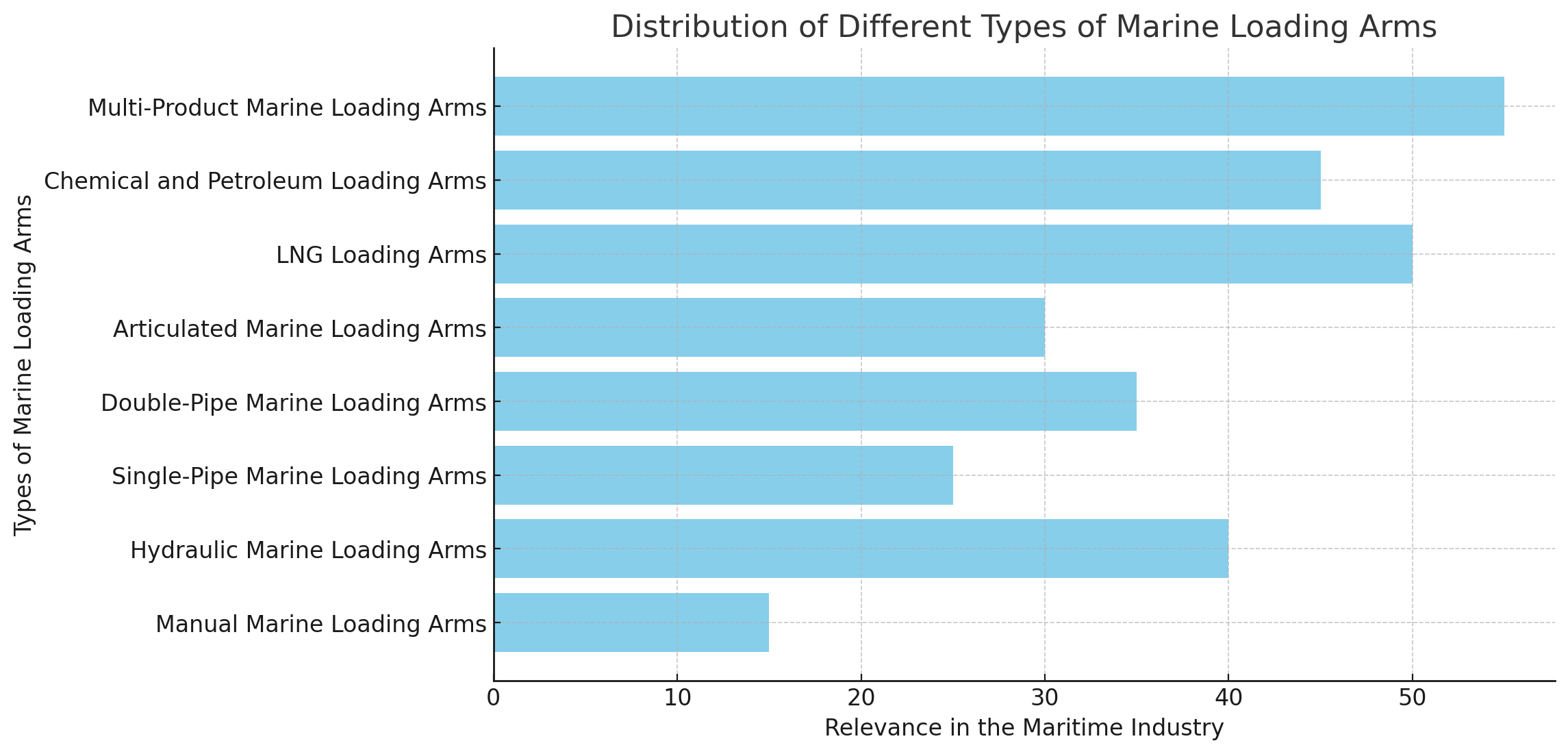
In the maritime industry, the transfer of liquids and gases between vessels and terminals is critical for smooth operations. Marine loading arms (MLAs) are essential for this process. These systems are designed to efficiently handle various liquids, including oil, chemicals, and LNG.
In this article, we will explore the different types of marine loading arms and their applications, helping you understand which MLA is best for your operations.
Types of Marine Loading Arms
Manual vs. Hydraulic Marine Loading Arms
Marine loading arms come in different configurations, each tailored to specific operational needs. Manual marine loading arms, although less common in larger operations, offer a simple, cost-effective solution for smaller scale transfers. These systems require manual labor to position the arm and connect it to the ship or terminal, making them more suitable for smaller vessels or less frequent loading/unloading operations. However, they lack the automation and flexibility found in more advanced systems.
On the other hand, hydraulic marine loading arms provide a higher level of automation and flexibility. These systems are powered by hydraulic systems, enabling smooth and precise movements. Hydraulic MLAs can be operated remotely, which is particularly advantageous in large-scale operations involving larger vessels like Very Large Crude Carriers (VLCCs). They also offer improved safety, as they can accommodate the movement of vessels caused by tides, wind, and waves without compromising the integrity of the fluid transfer process.
Single vs. Double Pipe Marine Loading Arms
Marine loading arms are also differentiated by their pipe design. Single-pipe marine loading arms are commonly used for lighter cargoes or less demanding operational environments. These arms consist of a single pipeline that connects the vessel to the shore-based terminal. While these are simpler and more cost-effective, they are generally less flexible than their double-pipe counterparts.
Double-pipe marine loading arms, in contrast, are designed for more complex and high-capacity applications. They feature two pipelines: one for liquid transfer and the other for vapor return, making them ideal for transferring volatile or hazardous liquids, such as LNG. The vapor return system helps to manage the pressure and temperature of the transfer, preventing spills and leaks while ensuring safe and efficient operation. This design also allows for a more controlled transfer, particularly when dealing with hazardous or cryogenic liquids.
Articulated Marine Loading Arms
Articulated marine loading arms are among the most versatile types of MLAs available. These systems are designed with multiple joints, allowing the loading arm to move in multiple directions, including vertically, horizontally, and rotationally. This flexibility makes articulated MLAs well-suited for handling various vessel sizes and types, as well as adapting to different environmental conditions, such as changes in tides and weather.
The ability to articulate gives these arms the capability to follow the motion of the vessel during loading or unloading, ensuring a safe and uninterrupted transfer. This makes articulated MLAs an essential component for operations involving large tankers or vessels that are subject to significant movement during the transfer process. Furthermore, their adaptability to different configurations and vessel positions makes them a popular choice in busy, high-traffic terminals.
Marine Loading Arm Design and Structure
Key Components of a Marine Loading Arm
A marine loading arm is a highly specialized system made up of several key components, each contributing to its functionality and operational efficiency. Some of the most important components include:
1. Swivel Joints: These allow the arm to rotate and follow the movement of the vessel. They are crucial for ensuring that the MLA can adjust to different vessel positions without compromising the integrity of the fluid transfer.
2. Counterweight System: This system ensures that the loading arm remains balanced during operation. It helps to prevent fatigue for the operator and reduces the overall wear on the system.
3. Control System: Modern MLAs are equipped with sophisticated control systems that enable precise operation. These systems often include automated features that reduce human error and improve safety during loading and unloading operations.
4. Quick Connect/Disconnect Coupler (QCDC): These couplers allow for quick, secure connections between the ship and the loading arm, ensuring a fast, efficient transfer process while reducing the risk of leaks or spills.
5. Emergency Release System (ERS): The ERS is an essential safety feature that allows the MLA to disconnect quickly in the event of an emergency. This system helps to minimize risks during unforeseen situations, such as unexpected vessel movements or equipment failure.
Customization of Marine Loading Arms
Marine loading arms are often customized to meet the specific needs of the terminal or vessel. Customizations may include modifications to the length of the arm, the materials used in its construction, or specialized features to handle particular types of cargo, such as cryogenic liquids or hazardous chemicals. For example, loading arms used for LNG transfers may include specialized insulation or vapor return lines to manage the extremely low temperatures of LNG.
The ability to customize marine loading arms is essential for ensuring that the equipment operates efficiently and safely in a wide range of environments. Each port or terminal may have unique requirements based on the types of vessels they handle, the cargo being transferred, and the environmental conditions at the site. Custom-designed MLAs can address these needs while ensuring compliance with industry standards and safety regulations.
Factors Affecting the Choice of Marine Loading Arm
Vessel Size and Type
The size and type of vessel play a critical role in determining the appropriate marine loading arm for a specific operation. Larger vessels, such as VLCCs, typically require multiple MLAs to handle the large volume of cargo being transferred. These vessels may also require more robust loading arms capable of withstanding the physical demands of large-scale operations.
Smaller vessels, on the other hand, may only need one or two marine loading arms. In these cases, manual or simpler hydraulic systems may be sufficient, offering a more cost-effective solution for the terminal.
Cargo Characteristics (Temperature, Viscosity)
The characteristics of the cargo being transferred also influence the choice of marine loading arm. Liquids such as crude oil or chemicals may require different handling systems than more specialized cargoes like LNG or liquid petroleum gas (LPG). For example, LNG requires marine loading arms with vapor return systems to handle the extremely cold temperatures and pressure changes associated with cryogenic liquids. Similarly, viscous liquids may require loading arms with larger pipe diameters to ensure smooth flow and minimize transfer times.
The ability to adjust the MLA to accommodate various types of cargo ensures that each transfer is carried out safely and efficiently, regardless of the challenges presented by the cargo's properties.
Specialized Marine Loading Arms for Specific Applications
LNG Loading Arms
LNG loading arms are specifically designed to handle the unique challenges of transferring liquefied natural gas. These arms feature insulation and vapor return lines to ensure safe and efficient transfer at cryogenic temperatures. The design of LNG loading arms is focused on preventing leaks and minimizing the risk of spills, which are particularly hazardous when dealing with flammable gases.
Chemical and Petroleum Loading Arms
Chemical and petroleum loading arms are used to transfer liquids that may be hazardous to the environment or human health. These loading arms are often equipped with specialized seals and valves to prevent leaks and spills. In addition, they may feature enhanced corrosion resistance to withstand the harsh conditions typically found in chemical and petroleum transfer operations.
Multi-Product Marine Loading Arms
Multi-product marine loading arms are capable of transferring several types of cargo through a single arm. These versatile systems are especially useful in terminals handling a variety of products, as they allow for quick switching between different liquid types without the need for multiple separate loading arms. Multi-product MLAs improve terminal efficiency by reducing the time spent on equipment setup and reducing the need for maintenance on several separate systems.
Safety and Efficiency in Marine Loading Arm Operation
Safety Features in Marine Loading Arms
Safety is a primary concern in marine loading operations, and marine loading arms are designed with multiple safety features to mitigate risks. Emergency release systems, quick-connect couplers, and other fail-safe mechanisms ensure that the system can quickly disengage in the event of an emergency, preventing accidents and minimizing environmental impact.
Automation and Control Systems
Modern marine loading arms are equipped with automation systems that improve operational efficiency. These systems allow for remote control, precise monitoring, and data tracking, reducing human error and improving safety. Automated MLAs also help streamline operations by minimizing the time spent on manual labor and improving turnaround times.
Maintenance and Longevity of Marine Loading Arms
Importance of Regular Maintenance
Regular maintenance is crucial for ensuring the longevity and safe operation of marine loading arms. Routine checks and servicing help prevent breakdowns and extend the lifespan of the equipment.
Durability of Materials in Marine Loading Arms
The materials used in the construction of marine loading arms, such as stainless steel and composites, contribute to their durability and resistance to corrosion. The choice of materials is essential for ensuring that the MLA can withstand the harsh marine environment, including saltwater exposure, extreme temperatures, and constant mechanical stress.
Conclusion
Choosing the appropriate marine loading arm is essential for ensuring efficiency, safety, and environmental protection. Different types of MLAs are designed for specific cargoes and operational needs, such as manual, hydraulic, single-pipe, or double-pipe systems. Specialized arms for LNG or chemicals further optimize operations. Companies like BNBW offer customizable MLAs that meet high standards of safety, durability, and performance, ensuring reliable and efficient operations in challenging marine environments.
FAQ
Q: What is a Marine Loading Arm?
A: A Marine Loading Arm (MLA) is a mechanical system designed to transfer liquids or gases between vessels and shore facilities. It provides a safe, flexible, and efficient way to load and unload fluids like oil, chemicals, and LNG.
Q: How does a hydraulic Marine Loading Arm work?
A: A hydraulic Marine Loading Arm uses a hydraulic system to operate, offering flexibility and automation. It allows for smooth movement and quick adjustments during loading and unloading processes, especially for larger vessels and complex operations.
Q: What is the difference between single-pipe and double-pipe Marine Loading Arms?
A: A single-pipe Marine Loading Arm uses one pipe for transferring liquid or gas, while a double-pipe design includes two pipes for the separate transfer of liquid and vapor. Double-pipe MLAs are ideal for transferring volatile substances like LNG.
Q: Why is the flexibility of a Marine Loading Arm important?
A: The flexibility of a Marine Loading Arm allows it to accommodate the movements of a vessel during loading and unloading, ensuring safe and efficient transfers even in harsh marine conditions.
Q: What safety features are included in a Marine Loading Arm?
A: Marine Loading Arms often come with emergency release systems (ERS) and quick-connect couplers. These safety features help prevent accidents and ensure safe operations during the transfer of hazardous liquids and gases.
Q: Can Marine Loading Arms be customized for different types of cargo?
A: Yes, Marine Loading Arms can be customized to meet the specific needs of various cargoes, including LNG, chemicals, and petroleum. Custom features may include insulation, temperature control, and special coatings for hazardous substances.


