| Color: | |
|---|---|
| Size: | |
| Material: | |
| Availability: | |
| Quantity: | |
T9
BNBW
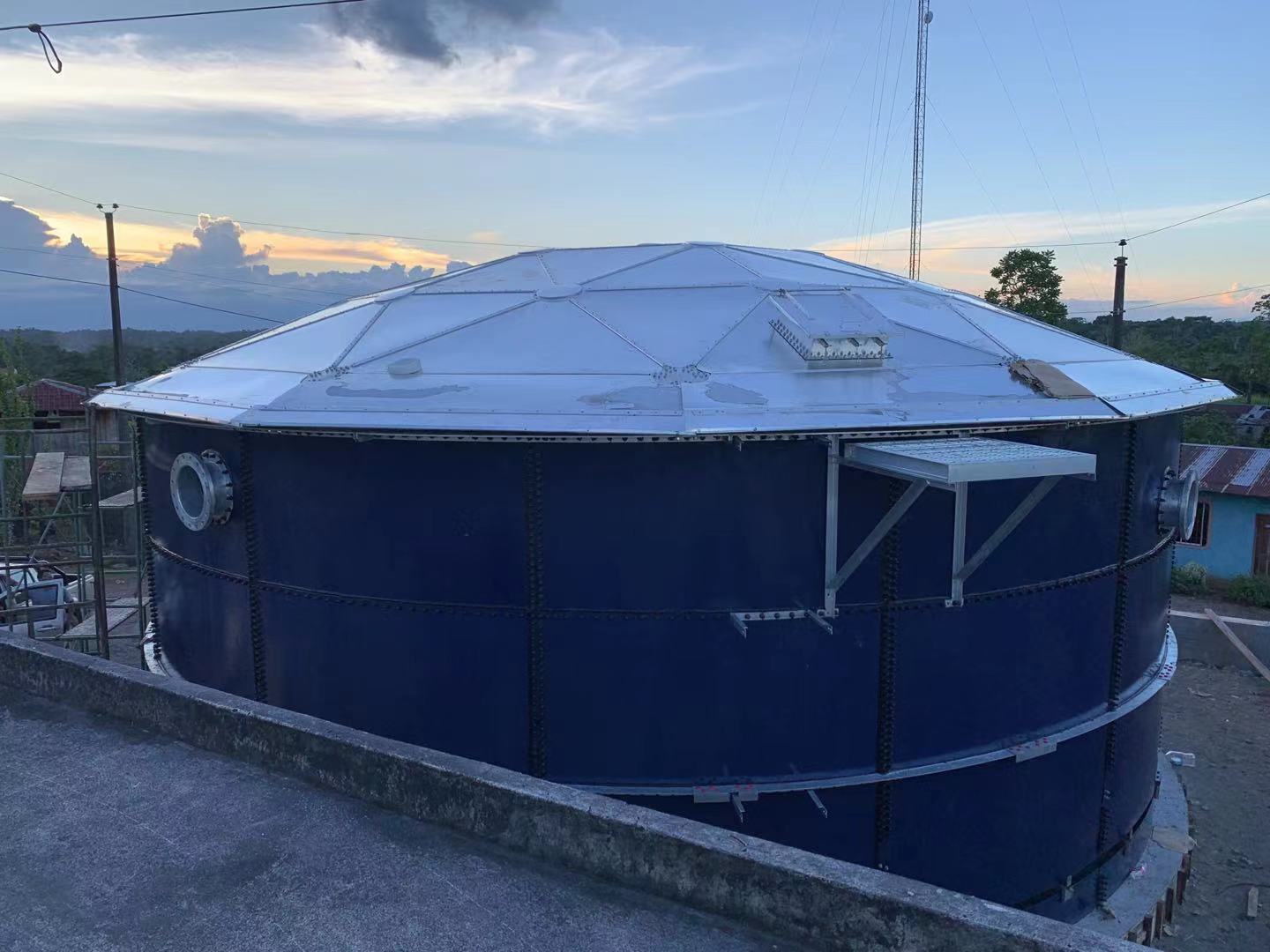
The Glue Fused to Steel tanks bolted tank is made of glass fused to steel plate, special sealing material, self-locking screw and other materials. The thickness of enamel steel plate can reach to 20 mm, the most used steel plate thickness is 3~10 mm, steel plate has surface oil, contain rust, contain oxide skin, after shot blasting, sand and other pretreatment process, the steel plate surface will be clean. After 900 ºChigh temperature second enamelingl in electric furnace ,0.3 mm enamel coating is applied on both sides of steel plate. strong binding force between enamel coating and steel plate. Enamel coating can not only prevent tank corrosion, but also has the function of strong acid and alkali resistance. And has extremely strong wear resistance.
Have you ever wondered how industries store liquids safely and efficiently? Glass Fused To Steel tanks offer an ideal solution. Combining the strength of steel with the corrosion-resistant properties of glass, these tanks are built to last.
Reliable fire water storage is essential for effective fire protection. Glass Fused To Steel (GFS) Tanks offer a durable and corrosion-resistant solution, ensuring long-term water storage for fire suppression systems.This guide will explore how GFS tanks work, the benefits they offer, and how to select the best tank for your fire safety needs.
Have you ever wondered how to store water safely and efficiently in harsh environments? Glass-Fused-to-Steel (GFS) tanks offer a powerful solution.These tanks combine the strength of steel with the durability and corrosion resistance of glass. The result is a long-lasting, reliable storage solution ideal for both industrial and water storage needs.
Did you know that the quality of your tank depends not just on materials, but on the manufacturer? Glass Fused to Steel (GFS) tanks are essential for industrial and water storage, combining strength with corrosion resistance. However, choosing the right manufacturer can significantly affect the tank's durability and performance.
Glass Fused to Steel (GFS) tanks are known for their durability and resistance to corrosion. They are widely used across industries, from water treatment to chemical storage. However, without proper assembly and commissioning,these tanks may face issues that could affect their performance.
In industries that handle liquids, gases, or chemicals, the safe and efficient transfer of materials is a top priority.
In industries where liquids, gases, or chemicals are transferred every day, two main tools are often used: the loading arm and the flexible hose.
In industries such as oil and gas, chemicals, food processing, and shipping, transferring liquids or gases from one container to another is a daily necessity.
In the global trade of oil, gas, and chemicals, one of the most important pieces of equipment that ensures safe and efficient operations at ports is the marine loading arm. This highly engineered structure is designed to transfer liquids or gases between shore-based storage tanks and ships.
Marine loading arms are vital equipment for transferring liquids and gases between shore facilities and vessels. They are built from rigid pipelines connected with swivel joints, giving them the flexibility to follow ship movements caused by waves, tides, or wind.
In recent years, the aluminum geodesic dome roof has emerged as a popular choice among architects and builders seeking innovative, efficient, and visually striking roofing solutions.
Storage tanks are essential components across many industries, from oil and gas to water treatment and chemical processing. These tanks hold vital liquids or gases, often under challenging environmental conditions.
In the ever-evolving world of modern construction, architects and engineers constantly seek building solutions that combine strength, durability, and aesthetic appeal.
In today’s fast-evolving architectural landscape, customization and innovation have become essential elements for creating structures that are not only functional but also visually striking and environmentally responsible.
In regions prone to earthquakes, the design and construction of buildings require a careful balance of strength, flexibility, and durability. Traditional structures often struggle to maintain their integrity during seismic events, leading to costly damage and safety risks.
In the oil, gas, and chemical storage industries, the safe and efficient storage of volatile liquids is a top priority. Storage tanks must be designed not only to hold large quantities of liquids but also to minimize product loss, reduce emissions, and ensure safe operations.
In the fuel, chemical, and petrochemical industries, storage tanks play a crucial role in storing large volumes of volatile liquids such as crude oil, gasoline, ethanol, and other hydrocarbons. These tanks must not only hold these substances securely but also mitigate risks associated with vapor loss, fire hazards, and environmental pollution.
Floating roof tanks—whether internal or external—play a vital role in storing large volumes of flammable or volatile liquids in industries such as petroleum, petrochemicals, and chemical manufacturing. These tanks are designed to minimize vapor loss, improve safety, and comply with environmental regulations by using a roof that rises and falls with the liquid level.
Storage tanks are vital infrastructure in the oil, gas, and petrochemical industries, where large volumes of volatile liquids must be safely stored and managed. The design of these tanks plays a critical role in determining operational safety, controlling emissions, minimizing product loss, and ensuring regulatory compliance. Among the most commonly used configurations are fixed roof tanks and floating roof tanks, each offering distinct advantages depending on the specific storage requirements and the nature of the stored substance.
Storage tanks are essential components in oil, gas, and petrochemical industries, responsible for holding vast volumes of volatile liquids. These liquids—such as crude oil, gasoline, jet fuel, diesel, and various petrochemicals—must be stored in a manner that ensures safety, minimizes product loss, and remains compliant with stringent environmental regulations. Two predominant tank designs in use today are internal floating roof tanks (IFRTs) and external floating roof tanks (EFRTs). While both aim to reduce vapor emissions and improve safety, they differ significantly in structure, performance, and application.